
In the ever-evolving world of entrepreneurship, small business machines are emerging as game-changers for aspiring business owners looking to launch profitable ventures with minimal upfront investment and maximum scalability. Whether you’re dreaming of a home-based operation or a mobile service that taps into local demand, these machines empower you to produce, customize, and sell products efficiently, turning hobbies into revenue streams. As we head into 2026, the global market for small-scale manufacturing and automated equipment is booming, driven by e-commerce growth, customization trends, and a shift toward sustainable, on-demand production.
According to industry reports from sources like Statista and Deloitte, the small manufacturing sector is projected to grow by 12-15% annually, making now the perfect time to invest in small business machines that align with your skills and market needs. In this comprehensive guide, we’ll explore the top 8 small business machines that can kickstart your entrepreneurial journey, complete with real-world insights, startup tips, cost breakdowns, and profitability potential. From food processing gadgets to high-tech printers, these picks are selected based on current trends, low entry barriers, and high ROI potential—let’s dive in and discover how you can turn a machine into a money-maker.
Why Small Business Machines Are the Smart Choice for 2026 Startups
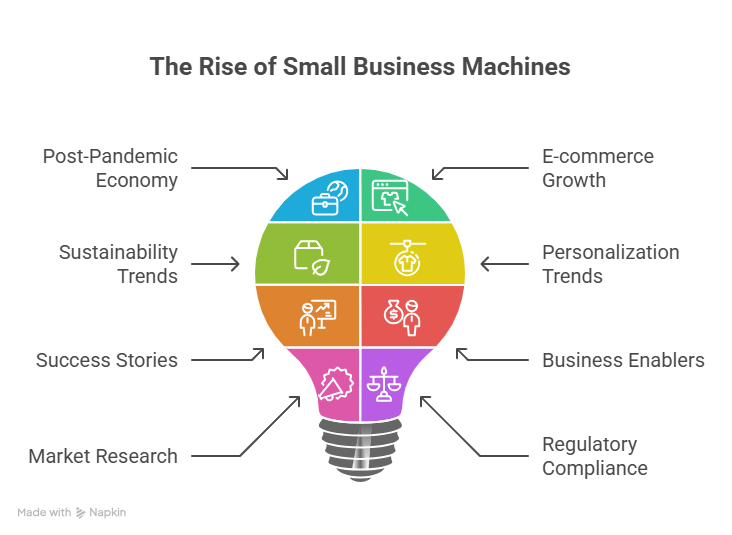
Before we jump into the list, let’s talk about why small business machines are such a hot ticket for new entrepreneurs. In a post-pandemic economy where remote work and side hustles reign supreme, these compact, affordable tools allow you to start producing goods from your garage or kitchen without needing a massive factory or supply chain. Research from the U.S. Small Business Administration shows that manufacturing startups using compact machinery have a 25% higher survival rate in their first five years compared to traditional retail ventures, thanks to lower overheads and the ability to pivot quickly to market demands.
Think about it: With e-commerce platforms like Etsy, Amazon, and Shopify exploding—global online sales are expected to hit $7.4 trillion by 2026—small business machines let you create unique, customizable products that stand out in a crowded marketplace. Plus, trends like sustainability (e.g., eco-friendly packaging) and personalization (e.g., custom prints) are fuelling demand for machine-based businesses. From YouTube creators sharing success stories of earning $50,000+ annually with a single laser cutter to Reddit threads buzzing about vending machine empires, the proof is in the profits. These machines aren’t just tools—they’re business enablers that can generate passive income through automation or scaling.
But success isn’t automatic. You’ll need to research your local market, comply with regulations (like food safety for edible products), and market smartly via social media. The average startup cost for these small business machines ranges from $500 to $5,000, with ROI possible in 3-6 months if you hustle. Ready to get inspired? Let’s count down the top 8 small business machines that could be your ticket to financial independence.
Vending Machines: The Passive Income Powerhouse
Kicking off our list of small business machines is the classic vending machine, a staple for entrepreneurs seeking low-maintenance revenue. These automated dispensers have evolved beyond snacks and sodas—think healthy options, tech gadgets, or even PPE in high-traffic areas like offices, gyms, or schools. According to a 2025 report from Grand View Research, the global vending machine market is valued at $25 billion, with a 9% CAGR driven by contactless payments and smart tech.
Why Start a Vending Machine Business? The Perks That Make It a Smart Move
Let’s face it: not every business idea delivers on the “passive” promise. But vending machines? They’re like silent salespeople working 24/7 without complaining about overtime. Here’s why jumping in now could be one of your best decisions:
- Low Barrier to Entry and Startup Costs: You don’t need a fancy degree or millions in the bank. Many entrepreneurs start with just one or two machines, costing anywhere from $2,000 to $6,000 each, including initial inventory. It’s way cheaper than opening a storefront, and you can scale up as profits grow. Think about it—compared to traditional retail, you’re skipping rent, staff salaries, and endless overhead.
- True Passive Income Potential: Once set up, these machines generate revenue on autopilot. Restock every week or two, collect cash (or go cashless with apps), and watch the earnings add up. Successful operators report margins of 20-50% after costs, turning a side gig into a reliable income stream that lets you focus on life, not labor.
- Flexibility and Scalability: Run it part-time alongside your job or go all-in. Start small in your local area and expand to multiple locations. With tech like remote monitoring apps, you can track sales from your phone—no more guessing games. Plus, in a world where people crave convenience, vending machines tap into on-the-go snacking, healthy options, or even niche products like tech gadgets.
- Resilience in Tough Times: Even during economic dips, people still grab a quick drink or snack. The industry has bounced back strong post-pandemic, with demand for contactless options soaring. If you’re strategic, this business can weather storms better than many others.
- Independence and Satisfaction: Be your own boss. No micromanaging from above—just you calling the shots. Many owners love the thrill of hunting prime spots and seeing their empire grow, all while enjoying more free time.

Step-by-Step Guide: How to Launch Your Vending Machine Empire in 2025
Ready to roll? Starting a vending machine business isn’t rocket science, but it does require smart planning. Follow these steps to hit the ground running and build a foundation for long-term success.
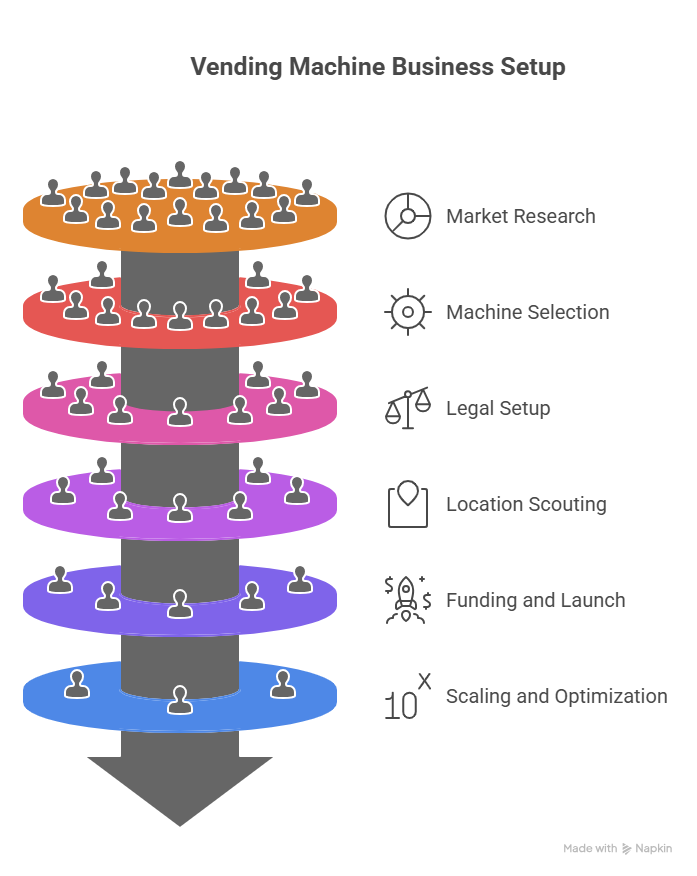
1. Research and Pick Your Niche
Don’t just buy a machine—dive into market research first. What sells in your area? Snacks, drinks, healthy foods, or something unique like beauty products? Use tools like Google Trends or local surveys to spot gaps. For 2025, consider eco-friendly or tech-savvy machines that accept digital payments to stay ahead. Aim for high-traffic spots like offices, gyms, or schools where demand is steady.
2. Choose the Right Machines and Suppliers
New or used? Go for reliable models with warranties to avoid breakdowns. Brands like AMS or Seaga are popular for durability. Factor in features like energy efficiency and card readers—cashless is king these days. Budget for inventory too; stock popular items but rotate based on sales data.
3. Handle Legal and Business Setup
Form an LLC for protection, get necessary licenses (sales tax permits, health inspections if food-related), and check local regs. In states like Texas, you’ll need vending operator permits. Secure insurance for theft or damage. This step is non-negotiable—skipping it could lead to fines that eat your profits.
4. Scout Prime Locations
Location is everything! Approach businesses like factories, apartments, or hotels with a pitch: “I’ll provide free vending services; you get convenience for your staff.” Offer commissions (10-20% of sales) to sweeten the deal. Avoid saturated spots—think creatively, like laundromats or waiting rooms.
5. Fund and Launch
Start small to test waters. Use personal savings, small business loans, or platforms like Swoop for funding. Install your machines, stock them up, and monitor weekly. Apps can alert you to low stock, making management a breeze.
6. Scale and Optimize
Once profitable, reinvest in more machines. Track metrics like sales per location and adjust products. Join communities like Reddit’s vending forum for tips from pros.
Watch Out: Key Concerns and Mistakes to Avoid for Zero Losses
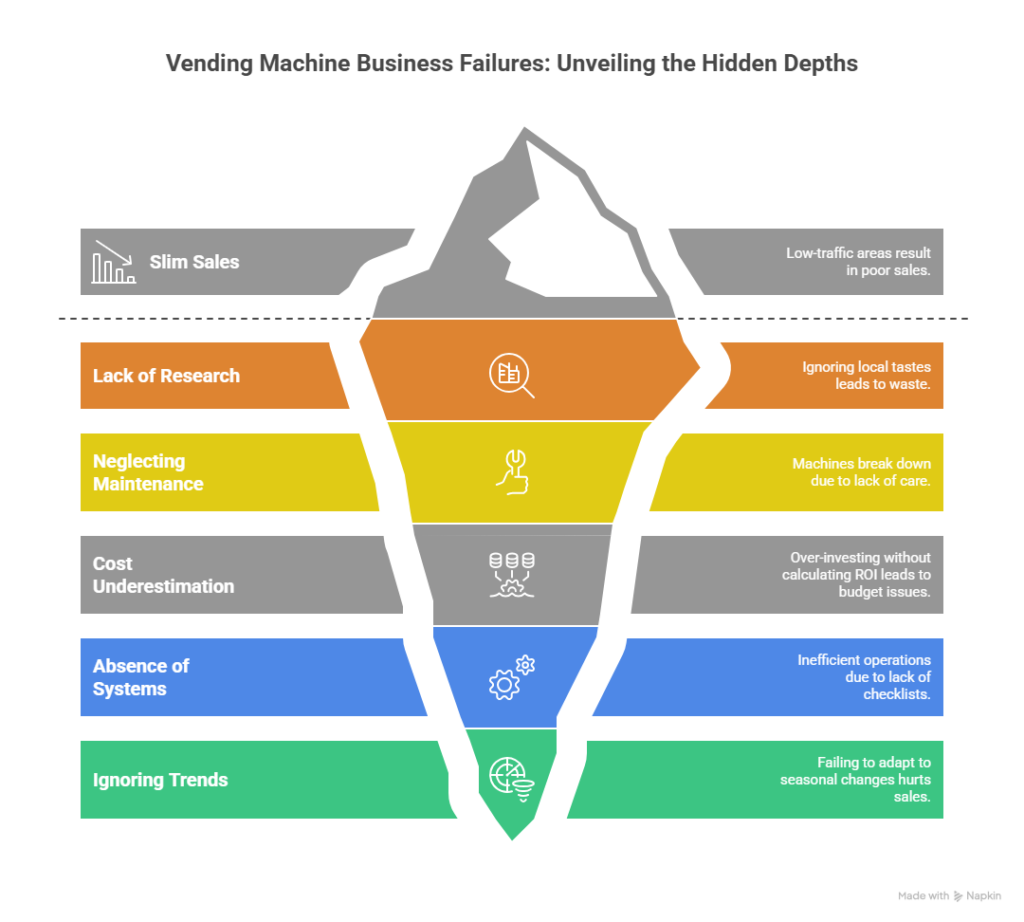
Here’s the real talk: Vending machines can be profitable, but rookies often trip up and lose money. I’ve seen stories of folks buying fancy machines only to watch them gather dust in bad spots. To keep your venture in the black, steer clear of these common pitfalls.
- Poor Location Choices: This is killer number one. Low-traffic areas mean slim sales—aim for 100+ people daily. Always negotiate contracts and test with one machine before committing big.
- Skipping Market Research and Wrong Products: Don’t assume candy bars sell everywhere. Research local tastes—healthy options might fly in gyms, but junk food rules in factories. Ignoring this leads to stale inventory and waste.
- Neglecting Maintenance and Tech: Machines break—fact. Schedule regular cleanings and updates to avoid downtime. Old models without bill validators or card readers? Big no; they limit sales in a cashless world.
- Underestimating Costs and Over-Investing: Startup isn’t just the machine—add inventory, transport, repairs, and fees. Many blow budgets by buying too many upfront without testing. Start lean, calculate ROI accurately (aim for 6-12 month payback), and build an emergency fund.
- No Systems or SOPs: Wing it, and you’ll waste time on jams or restocks. Create simple checklists for servicing: pull cash, refill, clean, update inventory. This keeps things efficient and scalable.
- Ignoring Trends and Competition: Seasons change—stock hot cocoa in winter, cold drinks in summer. Watch competitors and adapt. Underestimating events or local shifts can tank sales.
2. 3D Printers: Customization King for Creative Businesses
You’re crafting one-of-a-kind jewelry, custom phone cases, or even personalized prosthetics from your garage, and customers are lining up (virtually or otherwise) to pay top dollar for your unique creations. That’s the magic of a 3D printing business—the ultimate customization king in today’s creative economy. If you’ve ever tinkered with a 3D printer or dreamed of turning your ideas into income, 2025 is the perfect time to dive in. With technology getting cheaper and demand skyrocketing, this isn’t just a hobby anymore; it’s a pathway to profitable entrepreneurship. In this guide, I’ll explain why you should start a 3D printing business, walk you through the steps to launch successfully, and highlight the key concerns to avoid turning your dream into a financial flop. Let’s get printing!
Next up in our roundup of small business machines is the 3D printer, a tech marvel that’s democratizing manufacturing. From custom jewelry to prototypes for inventors, these devices let you create on-demand products with minimal waste. The 3D printing market is exploding to $37.2 billion by 2026, per Markets and Markets, fuelled by e-commerce personalization trends.
How to Start and Make Money
Invest in an entry-level model like the Creality Ender 3 ($200-$500), learn via free YouTube tutorials, and sell designs on Etsy or your site. Charge $10-$50 per item, with materials costing pennies. Startup costs: $500-$2,000 including filament. Potential earnings: $2,000-$5,000/month for a home setup, more if you offer services like prototyping for local businesses.
Pros: Endless product variety;
low material costs. Cons: Learning curve for software like Tinkercad.
Tip: Niche in eco-friendly PLA prints for sustainable brands—demand is up 40% per recent X discussions.
Success story: A hobbyist on Reddit scaled to $80,000/year printing custom phone cases and figurines.
Why Jump into a 3D Printing Business? The Customization Edge That Pays Off
Why bother with 3D printers when there are a million business ideas out there? Simple: Customization is king, and 3D printing lets you rule the kingdom. In a world where everyone craves personal touches—think bespoke gifts or tailored gadgets—this tech empowers you to create on-demand without massive inventories. But let’s break down the real reasons this could be your next big move.
First off, the market is exploding. By 2035, the 3D printing industry is projected to hit a whopping $92 billion, growing at 20% annually thanks to advancements in materials and speed. In 2025 alone, entry-level printers are dominating sales, making up nearly half of global revenues as more people and businesses hop on board. That means opportunity for creative folks like you to carve out a niche without competing against giants.
Second, low startup costs make it accessible. You can kick things off for under $500 if you’re savvy—buy a budget printer, some filament, and start small from home. No need for a fancy storefront; platforms like Etsy or Shopify let you sell online, turning your passion into passive-ish income. Many entrepreneurs report sustainable earnings by focusing on unique designs, like custom miniatures or eco-friendly accessories.
Third, it’s creatively fulfilling and flexible. Love gaming? Print collectible figures. Into health? Design orthotic devices. The ideas are endless—personalized jewelry, educational tools, or even prototypes for inventors. You set your hours, scale as you grow, and enjoy the satisfaction of seeing your digital designs come to life. Plus, with trends like sustainable materials and AI-assisted design, you’re future-proofing your biz in 2025.
If you’re creative, tech-curious, and ready for independence, this business aligns perfectly. It’s not just about printing; it’s about solving problems with innovation, and that’s where the real money—and fun—lies.
Your Step-by-Step Roadmap to Launching a Successful 3D Printing Venture
Starting sounds daunting? Nah—it’s straightforward if you follow a plan. Based on real success stories from home-based operators, here’s how to get your customization empire off the ground in 2025.
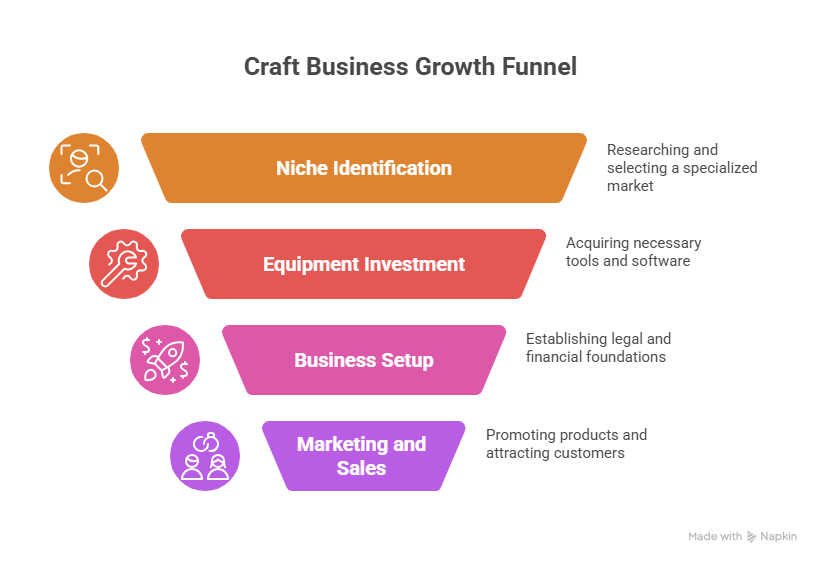
1. Nail Down Your Niche and Research the Market
Don’t print everything; specialize to stand out. Dive into trends like custom gaming gear, personalized home decor, or medical aids. Use free tools like Google Trends or Reddit forums to spot demand. For example, fantasy miniatures for tabletop games are hot right now. Ask yourself: What problems can I solve uniquely? This focus helps you attract loyal customers fast.
2. Gear Up with the Right Equipment
Start simple: A reliable printer like the Bambu Lab or Ender series costs $200-600. Add filament (under $20 per spool), design software (free like Tinkercad), and basic tools. If scaling, invest in multiples for a “print farm.” Pro tip: Go for energy-efficient models to cut ongoing costs. Test prints at home before going pro—practice makes profitable.
3. Set Up the Business Basics
Form an LLC for protection (cheap via sites like LegalZoom). Get any needed licenses, especially if dealing with food-safe or medical prints. Build an online presence: Shopify store for sales, Instagram for showcasing designs. Price smart—factor in materials, time, and a 30-50% margin. Start selling on marketplaces to build traction without heavy marketing upfront.
4. Market and Scale Your Creations
Get visible: Post tutorials on YouTube or join 3D printing communities on Reddit. Offer custom orders to build buzz. As orders roll in, reinvest in better gear or ads—expect to spend $20,000 yearly on marketing for serious growth. Track everything: Sales, failures, customer feedback. This data-driven approach turns your side hustle into a full-time gig.
Red Flags: What to Watch Out For to Avoid Costly Losses
Okay, real talk: Not every 3D printing business succeeds. I’ve heard horror stories of folks losing $30,000 on bad decisions. The good news? Most pitfalls are avoidable if you’re aware. Here’s what to follow and concerns to tackle head-on.
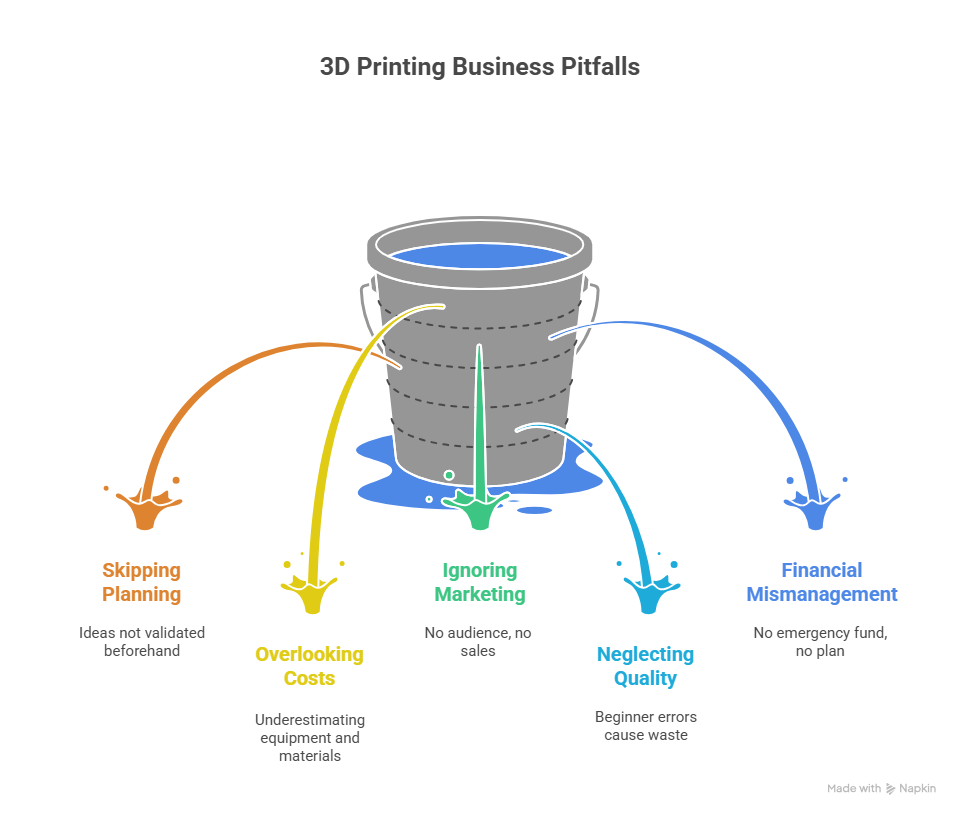
- Skipping Thorough Planning and Research: Jumping in without validating ideas? Big mistake. Always test market demand—don’t print trending items that flop. Follow this: Create prototypes, get feedback, and iterate before investing big.
- Overlooking Equipment and Material Costs: Cheap printers break; failed prints waste money. Concern: Underestimate ongoing expenses like filament or maintenance. Avoid by budgeting 20% extra for surprises and starting with one reliable machine.
- Ignoring Marketing and Customer Focus: Printing cool stuff isn’t enough if no one buys. Common loss: Scaling too fast without sales systems. Take concern: Build an audience first via social media. Follow up with unique, customer-requested designs to keep retention high.
- Neglecting Quality Control and Learning Curve: Beginner errors like poor settings lead to waste. Pitfall: Assuming it’s easy money without skills. Avoid by investing time in tutorials—reduce failures with tweaks like slower print speeds.
- Financial Mismanagement: No emergency fund? One bad month could sink you. Concern: Loans without repayment plans. Follow strict tracking: Use apps for expenses, aim for quick ROI, and diversify products to buffer slow periods.
Laser Cutters: Precision for Personalized Products
Ever dreamed of turning a simple sheet of wood or acrylic into a stunning custom sign that sells for triple what it cost you to make? That’s the everyday reality for laser cutter entrepreneurs. In a world obsessed with personalization—think Etsy treasures or bespoke corporate gifts—laser cutters are your golden ticket to creative freedom and steady profits. As we head into 2026, with tech getting more affordable and demand surging, starting a laser cutting business isn’t just smart; it’s a low-risk way to build something truly yours. But hey, it’s not all smooth cuts—I’ll break down why this is worth your time, a straightforward launch guide, and the critical pitfalls to sidestep so you don’t burn through cash. If you’re crafty, entrepreneurial, or just tired of the daily grind, stick around; this could be your next big thing.
Laser cutters are precision small business machines that engrave and cut materials like wood, acrylic, and leather, ideal for custom signs, gifts, and decor. The global laser cutting market is set to reach $6.7 billion by 2025, according to Allied Market Research, as personalization booms in e-commerce.
How to Start and Make Money
Grab a budget model like the xTool D1 ($300-$1,000), set up in a ventilated space, and market on Instagram with before-after Reels. Sell items for $20-$100, with raw materials at $5-10 each. Total startup: $1,000-$3,000. Earnings potential: $3,000-$7,000/month by fulfilling Etsy orders or local events.
Pros: High customization appeal; fast production. Cons: Safety gear needed for fumes. Tip: Target wedding planners for engraved favors—seasonal spikes can double revenue. From YouTube case studies, one creator hit $100,000/year with personalized keychains and ornaments.
Why Dive into a Laser Cutting Business? The Reasons That Cut Through the Noise
Let’s cut to the chase: Why bother with laser cutters when you could flip burgers or dropship gadgets? Because this business blends creativity with commerce in a way that’s exploding right now. The global laser cutting machine market is booming, growing from $5.57 billion in 2024 to $6.06 billion in 2025 at a solid 8.9% CAGR. By 2032, it’s projected to hit $14.14 billion, fueled by demand in everything from fashion to manufacturing. That’s not hype; it’s opportunity knocking for small players like you.
For starters, startup barriers are refreshingly low. You can get a decent entry-level laser cutter for $1,000 to $5,000, plus materials, and run it from home—no massive warehouse needed. Compare that to traditional manufacturing, and you’re saving big on overhead. Many folks start as a side hustle, scaling to full-time as orders pour in. Profit margins? Often 50-70% on custom items like engraved jewelry or home decor, once you nail your niche.
Then there’s the fun factor: Unlimited creativity. Laser cutters handle wood, acrylic, leather, even metal, letting you craft personalized gifts, wedding signage, or tech prototypes. In 2026, trends like eco-friendly materials and quick-turnaround customization are hot—think sustainable bamboo coasters or branded merch for influencers. It’s flexible too; work your own hours, sell online via Etsy or your site, and enjoy the buzz of seeing your designs wow customers.
Resilience seals the deal. Even in shaky economies, people splurge on unique items, and businesses need prototypes fast. If you’re passionate about making things and want independence without insane risks, this business delivers. It’s not passive like stocks, but with smart setup, it can feel pretty hands-off once you’re rolling.
Step-by-Step: Launching Your Laser Cutting Venture Without the Guesswork
Excited? Good—starting is simpler than you think. Drawing from real entrepreneurs who’ve turned lasers into livelihoods, here’s your actionable roadmap for 2026 success.
1. Pinpoint Your Niche and Spark Ideas
Don’t try to cut everything; specialize to shine. Research hot sellers like custom acrylic signs for events, personalized leather wallets, or wooden puzzles for kids. Use tools like Google Trends or Etsy searches to spot gaps—maybe eco-conscious home decor or niche gaming accessories. Brainstorm: What local needs can you fill? This focus attracts repeat buyers and boosts your brand.
2. Gear Up Smartly
Invest in a reliable CO2 laser cutter (great for non-metals) or fiber for metals if that’s your jam. Budget models from brands like xTool or Glowforge start at $500, but aim for $2,000+ for quality. Add software like LightBurn (user-friendly and affordable), materials, and safety gear. Pro tip: Start small—test on scrap to master settings before going pro.
3. Handle the Business Nuts and Bolts
Form an LLC for liability protection (easy online for under $100). Grab any local permits, especially for home-based ops, and set up taxes/sales accounts. Build a simple website with Shopify, list on marketplaces, and price strategically—cover costs plus 50% markup to start. Track expenses from day one with apps like QuickBooks.
4. Market Like a Pro and Scale
Get visible: Post eye-catching projects on Instagram or TikTok, join craft fairs, or partner with local shops. Offer custom orders to build buzz—word-of-mouth is gold. As sales grow, reinvest in a bigger machine or hires. Aim for online sales to reach global customers without leaving your workshop.
Heads Up: Key Concerns and Blunders to Dodge for Profit Protection
Alright, the flip side: Laser cutting sounds dreamy, but I’ve seen startups fizzle from avoidable errors. To keep your business in the green, prioritize these warnings—think of them as your safety goggles for finances.
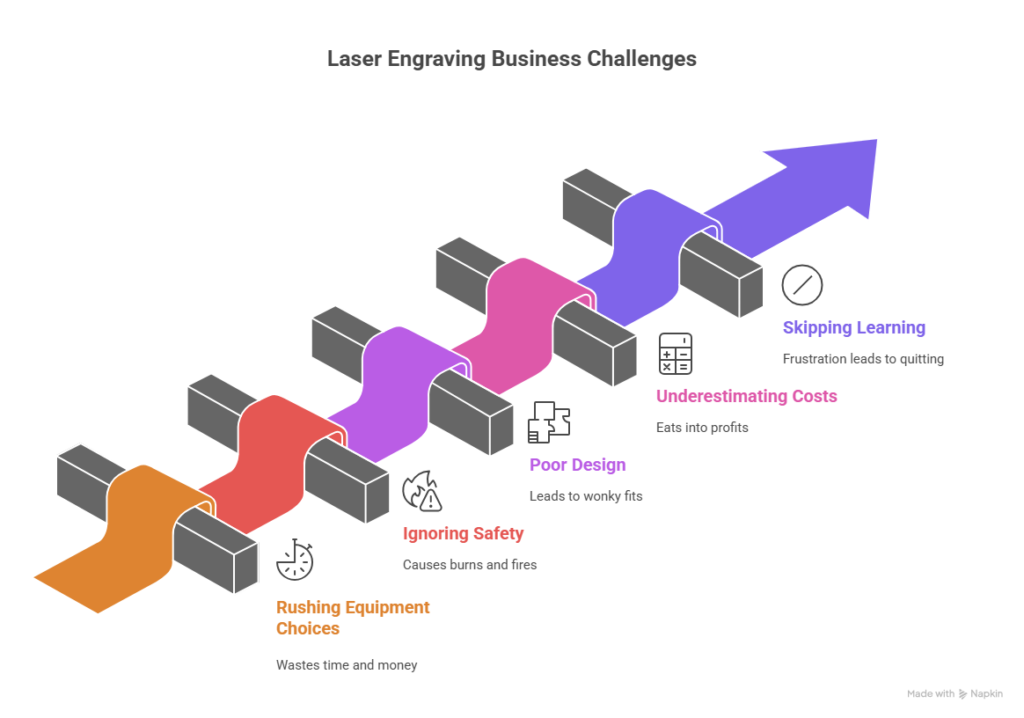
- Rushing Equipment Choices Without Research: Cheap machines break or underperform, wasting time and money. Concern: High energy use or poor precision. Avoid by reading reviews and starting with a mid-range model—test it thoroughly before scaling.
- Ignoring Safety and Material Mismatches: Lasers can cause burns, fires, or toxic fumes if mishandled. Common mistake: Cutting unsafe materials like PVC, which releases chlorine gas. Follow: Always use ventilation, wear PPE, and stick to compatible materials—research each one.
- Poor Design and Scaling Issues: Forgetting “kerf” (the material lost to the laser beam) leads to wonky fits. Or scaling drawings wrong, ruining batches. Pitfall: Overproducing without demand, tying up cash in inventory. Take concern: Use software previews, start with small runs, and monitor sales data closely.
- Underestimating Costs and Marketing: Startup surprises like material waste or shipping can eat profits. Mistake: No marketing plan, leading to zero sales. Avoid: Budget 20% extra for hiccups, track every expense, and invest in social ads early—don’t wait for organic growth alone.
- Skipping Learning and Patience: Beginners burn materials by rushing speeds or ignoring progress checks. Concern: Frustration leads to quitting too soon. Follow tutorials, join forums like Reddit’s r/Laserengraving, and give it 3-6 months to gain traction.
Food Dehydrators: Healthy Snack Production Power
Food dehydrators are niche small business machines for making jerky, fruit chips, and herbs, riding the $10 billion healthy snack wave in 2025, per Grand View Research.
How to Start and Make Money
Opt for a commercial model like the Excalibur ($200-$500), source organic produce, and package for farmers’ markets or Amazon. Sell at $5-$15/pack. Startup: $800-$2,000 including labeling. Earnings: $2,000-$6,000/month with online sales.
Imagine biting into a crispy, naturally sweet apple chip that’s bursting with flavor, minus the guilt of processed junk. Now picture turning that simple pleasure into a thriving side hustle or full-time gig—all from your kitchen. That’s the power of a food dehydrator business, where you transform fresh produce into healthy, shelf-stable snacks that health-conscious folks can’t get enough of. As we roll into 2026, with wellness trends on fire and people ditching sugary treats, starting this venture could be your smartest move yet. But let’s be real: It’s not all sunshine and dried mangoes. In this guide, I’ll spill why you should jump in, a no-nonsense roadmap to get started, and the must-know pitfalls to dodge so you don’t watch your profits evaporate. If you’re craving entrepreneurship with a healthy twist, keep reading—we’re about to dehydrate the doubts and amp up your business game.
Pros: Long shelf life; health trend alignment. Cons: Food safety certifications required. Tip: Go vegan/gluten-free for premium pricing—up 25% margins. Reddit stories highlight $40,000/year from homemade trail mix blends.
Why Launch a Food Dehydrator Business? The Crunchy Reasons to Get Started
Why food dehydrators, you ask? In a nutshell (or dried fruit peel), this business taps into the booming demand for nutritious, convenient eats while keeping startup hurdles low. Let’s unpack the perks that make it a powerhouse for aspiring entrepreneurs.
First, the market is sizzling hot. The global dehydrated food scene is exploding, jumping from $42.39 billion in 2024 to $45.34 billion in 2025 alone, with a steady 6.94% growth rate through the decade. Freeze-drying tech, a close cousin to traditional dehydration, is growing even faster at 9.9% CAGR, thanks to its knack for locking in flavors and nutrients. Why? Health nuts are everywhere—think keto fans, hikers, and busy parents seeking clean alternatives to chips and candy. With urbanization and on-the-go lifestyles, packaged dehydrated snacks are projected to add $27.94 billion in growth by 2029. You’re not just selling food; you’re riding a wave of wellness that’s here to stay.
Second, it’s beginner-friendly with minimal upfront cash. You can kick off from home with a basic dehydrator for $200-500, plus ingredients from local farms. No fancy factory needed—many succeed as a side gig, scaling to online sales or markets. Profit margins? Solid at 40-60% on items like veggie crisps or fruit leathers, once you factor in low waste and long shelf life. Plus, it’s creative: Experiment with organic berries, spicy jerky, or exotic herb blends to stand out.
Third, flexibility and fulfillment are huge draws. Be your own boss, set your schedule, and feel good about promoting healthy eating. In tough times, these snacks are recession-resistant—affordable, portable, and versatile for emergencies or travel. If you’re passionate about food, sustainability, or just making extra income, this business aligns perfectly. It’s not overnight riches, but with smart moves, it can grow into a full pantry of possibilities.
Your Step-by-Step Guide to Building a Thriving Dehydrated Snack Empire
Ready to turn up the heat (or rather, the low-temp dry)? Starting doesn’t require a culinary degree—just planning and persistence. Here’s a straightforward path, inspired by real home-based hustlers who’ve made it work.
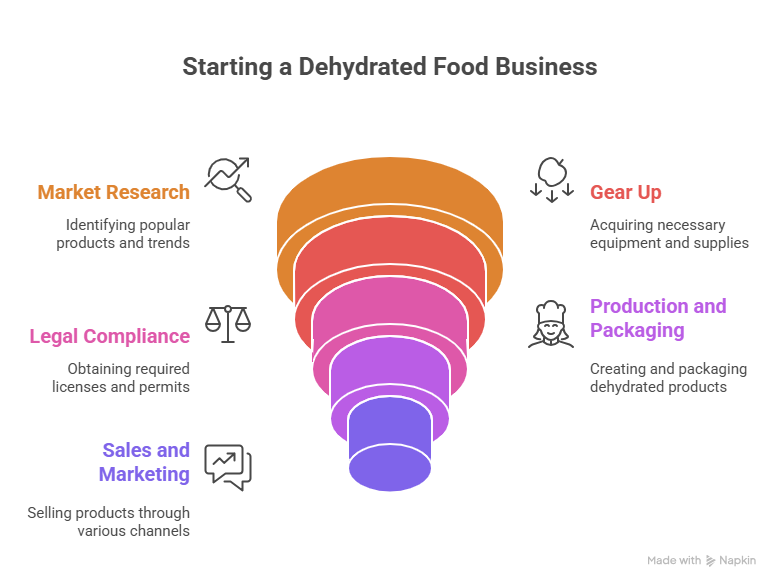
Research Your Niche and Market
Don’t dehydrate blindly—zero in on what sells. Popular picks include dehydrated fruits (apples, bananas), veggies (kale chips, beets), or specialty items like pet treats or herbal teas. Check local trends: Is your area big on vegan snacks or outdoor adventures? Use free tools like Google Trends or survey friends. Aim for organic or unique flavors to charge premium prices—think chili-lime mango or turmeric zucchini.
Gear Up with Essentials
Invest in a reliable dehydrator; stackable models for home use start cheap but upgrade to commercial ones ($1,000+) as you grow. Source fresh produce from farmers’ markets to keep costs down and quality high. Add basics like slicers, packaging (eco-friendly bags), and labels. Total startup? Under $1,000 if you’re savvy.
Nail the Legal and Safety Stuff
Food safety is non-negotiable. Get a business license, food handler’s permit, and check cottage food laws for home sales. In many places, you can start small without a full commercial kitchen. Label products with ingredients and allergens—build trust early.
Produce, Package, and Sell
Master the dehydration process: Slice thin, dry at 125-135°F for 6-12 hours, and test for crispness. Package in airtight containers to preserve freshness. Sell via Etsy, farmers’ markets, or your website; partner with gyms or health stores. Market on social media—show behind-the-scenes videos to engage fans.
Scale Smartly
Once sales hum, expand flavors or hire help. Track what moves fast and reinvest profits. Join communities like dehydrator forums for tips.
Caution Ahead: Key Concerns and Tips to Sidestep Losses
Here’s the not-so-sweet part: Many newbies lose money on spoiled batches or unsold stock. But you can avoid that trap with these insights—treat them like your recipe for success.
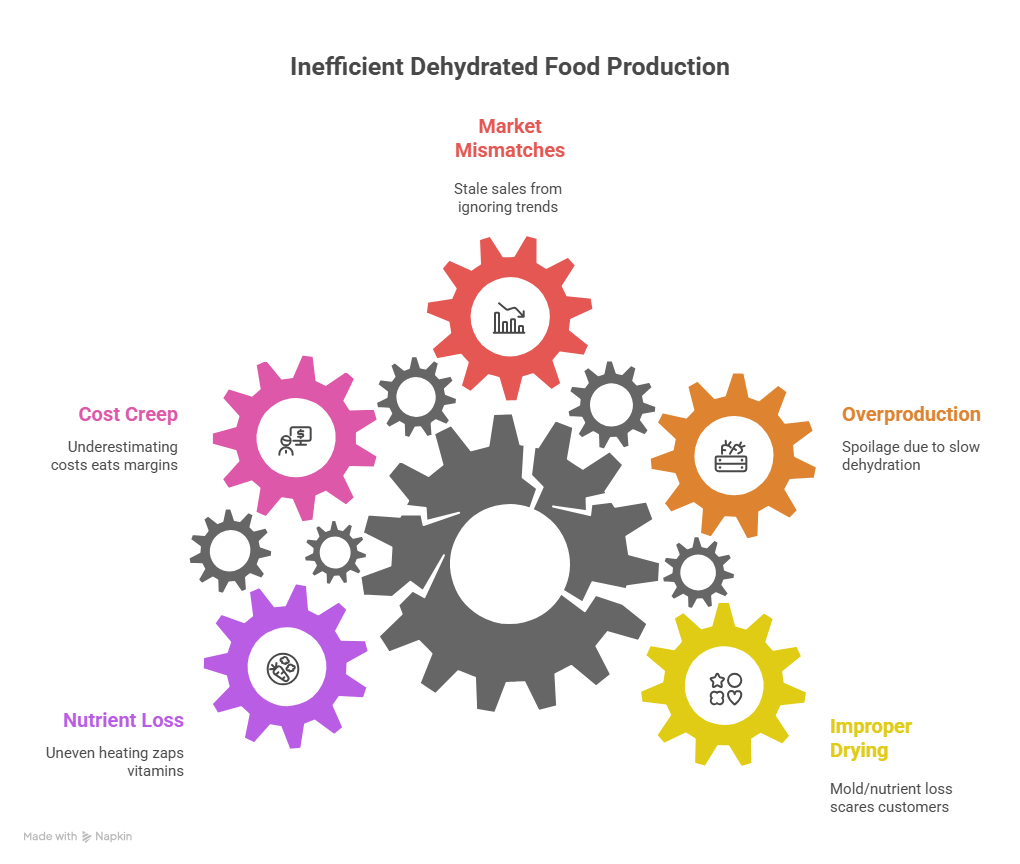
- Food Safety Slip-Ups: Improper drying leads to mold or nutrient loss, scaring off customers. Concern: Always monitor temperature and humidity—use a quality dehydrator with even airflow. Follow: Cool products completely before storing in dark, dry spots to prevent condensation.
- Waste and Overproduction: Fresh produce spoils fast if not dehydrated quickly. Mistake: Buying too much inventory without demand. Avoid: Start small, test markets, and use drying shelters for efficiency.
- Market Mismatches: Ignoring trends means stale sales. Concern: Overlook competition or customer prefs. Take action: Set targets for each batch—check moisture levels post-drying—and iterate based on feedback.
- Cost Creep: Underestimating packaging or shipping eats margins. Pitfall: No budget buffer. Follow: Track expenses religiously, source bulk materials, and price 2-3x your costs.
- Nutrient Preservation Fails: Customers want healthy snacks, so uneven heating zaps vitamins. Avoid: Opt for low-temp methods and quality gear to retain goodness.
CNC Routers: Woodworking Wonders for Furniture Makers
CNC routers are automated small business machines for carving wood, metal, and plastics, fueling the $150 billion global furniture market’s custom segment in 2025.
How to Start and Make Money
Invest in a desktop version like the Shapeoko ($1,000-$3,000), learn CAD software, and sell custom signs or furniture on Etsy. Charge $50-$500/item. Startup: $2,000-$5,000. Profits: $4,000-$10,000/month for established shops.
Pros: Precision and repeatability. Cons: Dust management needed. Tip: Specialize in eco-wood pieces for sustainability appeal. YouTube channels boast $90,000/year from personalized home decor.
Imagine crafting intricate, custom wooden tables that look like works of art—precise curves, perfect joints, all made effortlessly while you sip coffee and watch your machine do the heavy lifting. That’s the everyday thrill of a CNC router business, turning raw wood into high-demand furniture wonders that customers rave about. In 2026, with personalization trending big and home decor booming, launching a CNC woodworking venture focused on furniture could be your path to creative freedom and solid income. But it’s not just plug-and-play—smart planning is key. In this guide, I’ll explain why this business rocks right now, share a practical startup roadmap, and spotlight the concerns to tackle so you avoid costly setbacks. If you’re handy with tools or dreaming of boss-level independence, let’s carve out your success story.
Why Start a CNC Router Business in Woodworking? The Precision Perks That Pay Big
Why CNC routers for furniture making? Because they combine old-school craftsmanship with cutting-edge tech, letting you create stunning pieces faster and more accurately than traditional methods. The market backs it up: The global CNC router industry is growing strong, projected to hit billions with CAGRs around 4-8% through the 2030s, driven by demand in woodworking and custom manufacturing.
Here’s the standout reasons to dive in now:
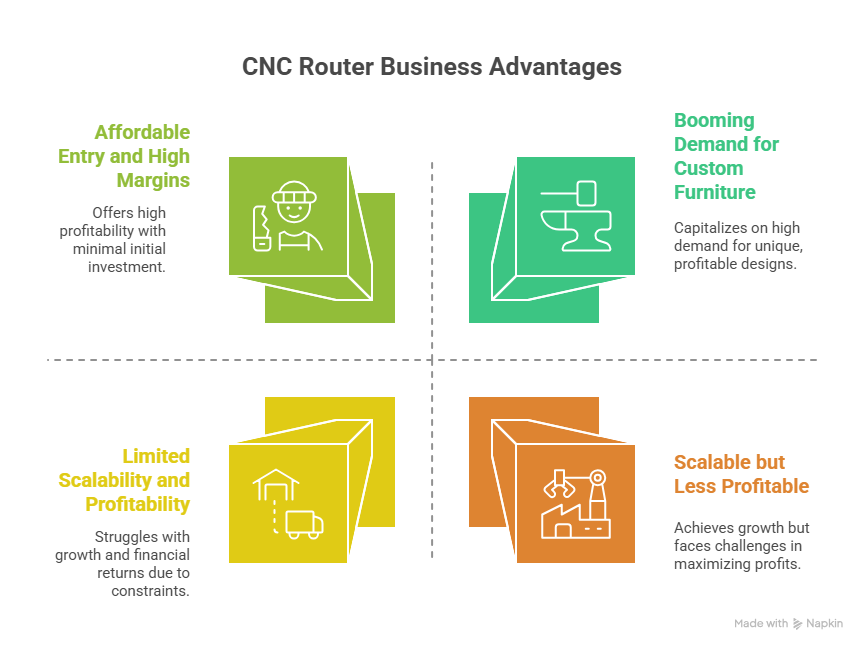
- Booming Demand for Custom Furniture: People crave unique, personalized pieces—think live-edge tables, modern benches, or intricate cabinets. CNC routers excel at complex designs, giving you an edge over mass-produced stuff. Niches like epoxy river tables, flat-pack furniture, and accent chairs are hot sellers on platforms like Etsy.
- Affordable Entry and High Margins: Startup costs start low—hobby machines from $2,000-$5,000, mid-range for serious work $10,000-$30,000. Once running, margins can hit 50-70% on custom items, with low material waste thanks to precise nesting.
- Scalability and Flexibility: Start from a garage workshop, sell online or locally, and scale to multiple machines. Run it part-time or full—remote monitoring apps make it semi-passive. Plus, it’s creatively rewarding: Turn ideas into reality for clients who pay premium for bespoke wonders.
- Future-Proof Edge: Automation trends and sustainability (using reclaimed wood) align perfectly. In resilient economies, custom home upgrades keep flowing.
If you love woodworking and want control over your time and income, this business delivers precision profits without the back-breaking labor of hand tools.
Step-by-Step: Launching Your CNC Furniture Empire in 2026
Getting started is straightforward with the right plan. Many garage-based makers have turned CNC routers into thriving ops—here’s how you can too.
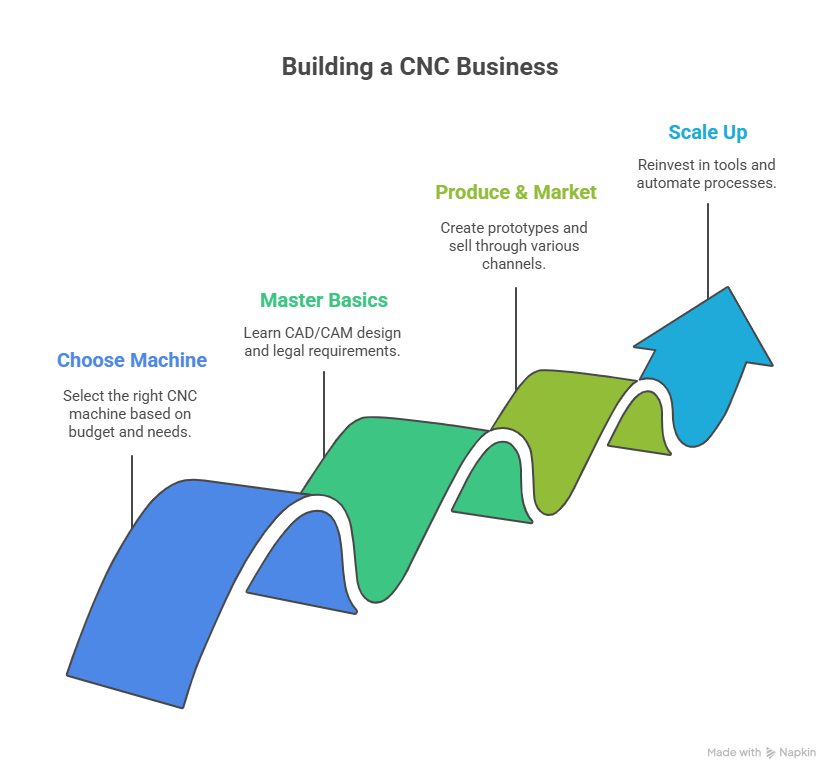
Research Niches and Validate Ideas
Focus on profitable furniture: Custom tables, chairs, shelving, or cabinetry. Scout trends like minimalist designs or eco-friendly pieces. Use Etsy, Shopify insights, or local surveys to spot demand—epoxy tables or parametric furniture sell fast.
Choose Your Machine and Setup
Budget for a reliable router—entry-level for testing ($2k-$5k), pro models with vacuum tables for furniture ($10k+). Add software (Vectric or Fusion 360), bits, and dust collection (essential!). Factor space: Garages work great with proper ventilation.
Master the Basics and Legals
Learn CAD/CAM design—free tutorials abound. Form an LLC, get permits if needed, and insure your setup. Price jobs smart: Cover materials, time, and 50%+ markup.
Produce and Market
Start with prototypes, then sell via online stores, markets, or social media. Show process videos—Instagram loves CNC magic. Partner with designers or realtors for custom orders.
Scale Up
Track hits (e.g., river tables), reinvest in tools, and automate more. Join forums for tips from pros. Follow this, and you’ll be routing revenue in months—precision meets passion.
Watch Out: Critical Concerns and Mistakes to Avoid Losing Money
CNC woodworking is rewarding, but beginners often stumble on setup or ops, wasting materials or time. Heed these to stay profitable:
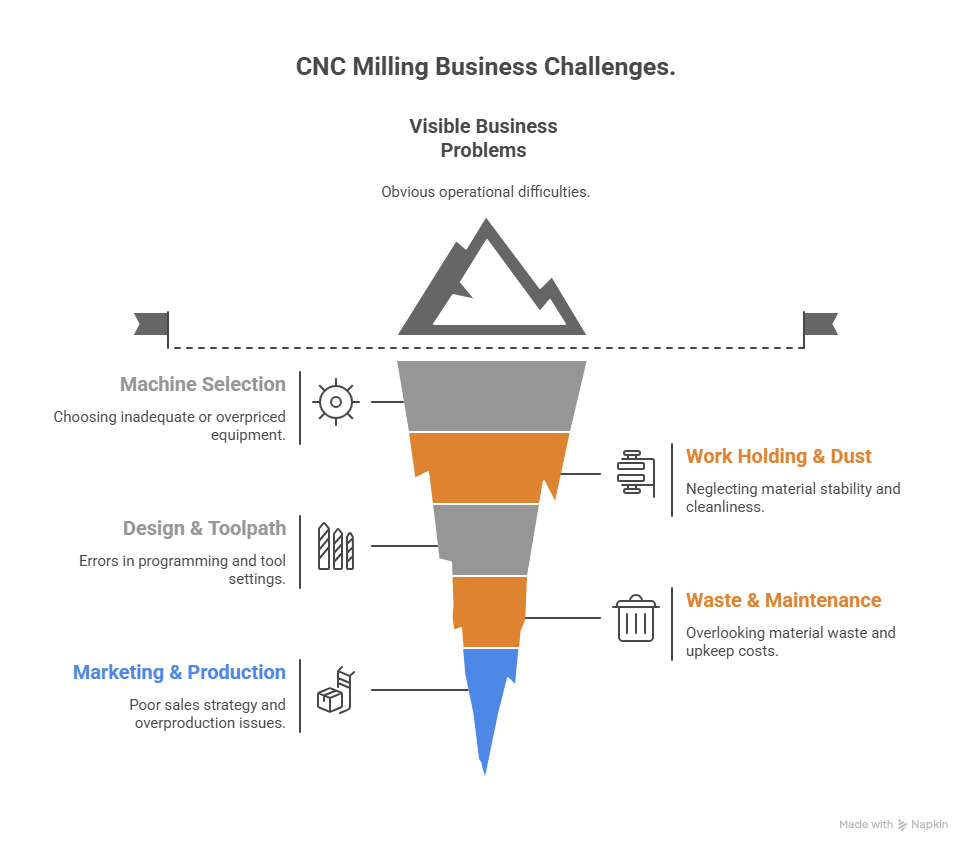
- Buying the Wrong Machine: Cheap ones lack power for thick wood or large sheets, leading to breakdowns. Concern: Overpaying for features you don’t need. Avoid: Research reviews, start mid-range, and plan for growth.
- Poor Work Holding and Dust Issues: Material shifts ruin cuts; no dust collection creates messes and health risks. Mistake: Skipping vacuum tables or enclosures. Follow: Invest early in hold-downs and extraction—saves bits and lungs.
- Design and Toolpath Errors: Wrong speeds/feeds break tools; ignoring kerf causes poor fits. Pitfall: No simulations—crashes galore. Take concern: Always preview paths, use sharp bits, and calibrate regularly.
- Underestimating Waste and Maintenance: Wood warps; bits dull fast. Concern: High ongoing costs eating margins. Avoid: Source quality lumber, track usage, and budget for upkeep.
- Weak Marketing or Overproduction: No sales plan means unsold stock. Mistake: Flooding markets without testing demand. Follow: Start small, get feedback, and build an online presence early.
Embroidery Machines: Textile Personalization Pro
Embroidery machines are compact small business machines for stitching logos on apparel and accessories, tapping into the $8 billion promotional products industry.
How to Start and Make Money
Choose a Brother SE600 ($300-$800), digitize designs, and target corporate clients for uniforms. $20-$100 per job. Startup: $1,000-$2,500. Earnings: $2,500-$7,000/month.
Pros: High demand for branding. Cons: Thread costs add up. Tip: Offer monogramming for weddings—seasonal 40% boost. Online forums share $70,000/year stories from home setups.
Ever caught yourself admiring a custom-stitched hat or a personalized tote bag and thought, “I could make that—and charge for it”? Well, with an embroidery machine, you absolutely can. In the age of individuality, where everyone wants their gear to scream “me,” starting an embroidery business is like unlocking a treasure chest of opportunities. Picture turning plain fabrics into bespoke masterpieces for events, teams, or brands, all while building a flexible income stream. As we wrap up 2025, with personalization trends exploding, this isn’t just a hobby—it’s a pro-level venture in textile customization. But let’s keep it real: Success demands smarts. In this guide, I’ll break down why you should dive in now, a step-by-step launch plan, and the key concerns to watch so you don’t stitch yourself into losses. If you’re crafty, entrepreneurial, or just ready for a side gig that pays, let’s thread the needle together.
Why Jump into an Embroidery Machine Business? The Stitched-Together Benefits
Why embroidery machines over, say, screen printing or vinyl cutting? Because they offer precision personalization that’s in massive demand, blending tech with artistry for standout results. The global embroidery market is thriving, valued at around $3.3 billion in 2025 and projected to soar to $8.0 billion by 2034, growing at a steady clip thanks to rising apparel customization and e-commerce.
The embroidery machine segment alone hits $5.9 billion this year, eyeing $7.88 billion by 2034. That’s not fluff; it’s fueled by folks craving unique merch for weddings, sports teams, corporate swag, and everyday fashion. Here’s what makes it a smart start:
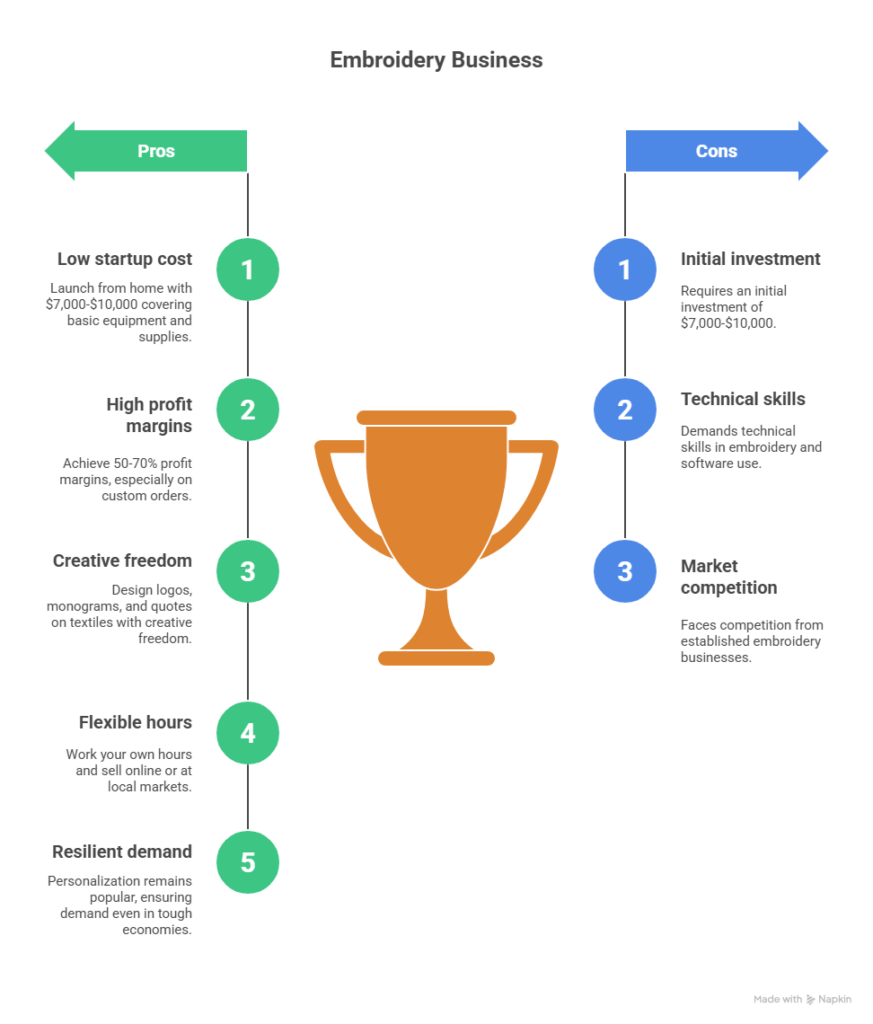
- Low Startup Barrier with High Rewards: You can launch from home for $7,000-$10,000, covering a basic machine, software, threads, and blanks like shirts or caps. Profit margins? Often 50-70% on orders, especially custom ones—charge $20-50 per item after costs of a few bucks. It’s scalable: Start small, reinvest, and grow to a full shop.
- Creative Freedom and Flexibility: Love designing? Embroidery lets you digitize patterns for logos, monograms, or quirky quotes on textiles. Work your hours, sell online via Etsy or your site, or hit local markets. In 2025, trends like sustainable fabrics and quick-turnaround POD (print-on-demand) integrations make it even hotter.
- Resilient Demand: Personalization isn’t fading—think branded uniforms, event souvenirs, or pet accessories. Even in tough economies, small luxuries like custom tees thrive. Plus, it’s fulfilling: Help clients celebrate milestones while building your brand.
Step-by-Step: Threading Your Way to a Successful Embroidery Launch
Starting sounds overwhelming? Nah—it’s like following a pattern. Real entrepreneurs have turned garages into goldmines; here’s your blueprint for 2026 success.
Research Your Niche and Market Fit
Don’t stitch blindly. Identify hot spots: Corporate apparel, wedding favors, sports gear, or niche like baby blankets. Check competitors on Etsy or local shops—what’s missing? Use free tools like Google Trends for “custom embroidery ideas” to spot winners. Validate with surveys or test sales at craft fairs.
Pick the Perfect Machine and Supplies
Don’t stitch blindly. Identify hot spots: Corporate apparel, wedding favors, sports gear, or niche like baby blankets. Check competitors on Etsy or local shops—what’s missing? Use free tools like Google Trends for “custom embroidery ideas” to spot winners. Validate with surveys or test sales at craft fairs.
Pick the Perfect Machine and Supplies
Go for a multi-needle machine if scaling (starts at $5,000-$15,000) or single-needle for beginners ($500-$2,000). Brands like Brother or Ricoma are reliable. Add digitizing software (Wilcom or free trials), stabilizers, threads, and blanks. Budget for a workspace with good ventilation—home setups work fine initially.
Set Up the Business Foundation
Form an LLC for protection (cheap online). Get licenses, like a sales tax permit, and insurance for equipment. Price wisely: Factor time, materials, and a healthy markup. Build a simple site with Shopify, list on marketplaces, and digitize your first designs.
Market and Sell Like a Pro
Showcase work on Instagram or TikTok—videos of the machine in action hook viewers. Network at events, offer bundles, or partner with POD services for no-inventory sales. Start with small orders to build reviews—word-of-mouth is embroidery gold.
Scale and Refine
Track winners (e.g., monogrammed hats fly off shelves), automate with software, and expand to hires or more machines. Join communities like embroidery forums for tips.
Stitch Warnings: Concerns and Pitfalls to Avoid Financial Snags
Real talk: Embroidery looks easy, but rookies often unravel from hidden hurdles. I’ve seen stories of folks losing thousands on bad buys or botched jobs—don’t be them. Here’s what to follow and concerns to prioritize for loss-proofing.
- Overspending on Gear Too Soon: Tempting to splurge on a fancy machine, but validate demand first. Concern: High upfront costs without sales. Avoid: Start basic, lease if possible, and upgrade with profits.
- Underestimating Ongoing Expenses: Threads, needles, and maintenance add up—plus software updates. Mistake: Ignoring waste from failed stitches. Follow: Budget 20-30% extra, track inventory, and practice on scraps.
- Quality Control and Design Flubs: Puckered fabric or off-center logos kill reputations. Concern: Poor digitizing leads to returns. Take action: Invest in good software, test every design, and learn hooping techniques.
- Marketing Misses and Competition: No visibility means no orders. Pitfall: Saturating generic markets. Avoid: Niche down, use SEO for “custom embroidery near me,” and build a portfolio early.
- Legal and Safety Oversights: Skipping permits or ignoring machine safety (like eye protection) invites fines or injuries. Concern: Copyright issues with designs. Follow: Use original art, get insured, and comply with regs from day one.
Vinyl Cutters: Signage and Decal Dynamo
Vinyl cutters are affordable small business machines for creating stickers, signs, and vehicle wraps, in a market growing to $5 billion by 2025.
How to Start and Make Money
Get a Silhouette Cameo ($200-$400), source vinyl rolls, and sell via local ads or online. $10-$50/item. Startup: $500-$1,500. Profits: $1,800-$5,000/month.
Pros: Versatile applications. Cons: Design software learning. Tip: Focus on car decals for auto shops—repeat clients. Influencers on Instagram report $50,000/year from custom graphics.
Think about slapping a sleek custom decal on your car, laptop, or shop window that turns heads and screams personality. Now imagine getting paid to create those eye-catchers for everyone else. That’s the thrill of a vinyl cutter business—a signage and decal dynamo that’s perfect for creative hustlers in 2026. With personalization exploding across cars, homes, businesses, and events, vinyl cutters let you whip up durable, vibrant designs on demand. Low startup costs, home-based flexibility, and endless niches make this a powerhouse opportunity. But success isn’t automatic—smart moves separate winners from wasters. In this guide, I’ll lay out why this business is a no-brainer right now, a clear step-by-step launch plan, and the pitfalls to dodge so you avoid bleeding money. Ready to cut your way to profits? Let’s roll.
Why Start a Vinyl Cutter Business? The Sticky Reasons It’s Booming
Why vinyl cutters for signage and decals? Because they’re the ultimate tool for customization in a world where generic just doesn’t cut it. The global vinyl cutter market is on fire, valued at around $1.2 billion in recent years and projected to grow at 6-9% CAGR through the 2030s, hitting $2 billion+ thanks to demand in signage, vehicle graphics, and crafts.
- Exploding Personalization Demand: From car wraps and bumper stickers to wall decals and business signs, people and companies crave unique vibes. Niches like vehicle graphics, home decor, event signage, and branded merch are endless—think Etsy hits or local shop windows.
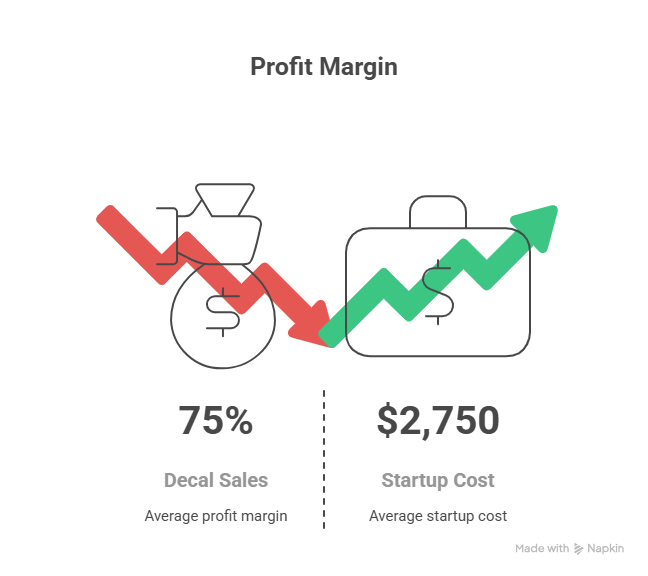
- Super Low Startup and High Margins: Kick off from home for $500-$5,000 (machine, software, vinyl rolls). Decals cost pennies to make but sell for $3-$30 each, with margins often 70-80%. No big inventory—cut on demand.
- Flexibility and Creativity: Run part-time or full, from garage to global via online sales. Design fun stuff like funny laptop stickers or pro business logos. Trends like eco-vinyl and quick custom orders keep it fresh in 2026.
- Resilient and Scalable: Tough economy? People still personalize. Start small, add machines, and grow into wraps or wholesale.
Step-by-Step: Launching Your Vinyl Signage and Decal Empire
Nervous about starting? Don’t be—it’s like weeding a decal: methodical and rewarding. Tons of home-based creators have built thriving ops; here’s your 2026 roadmap.
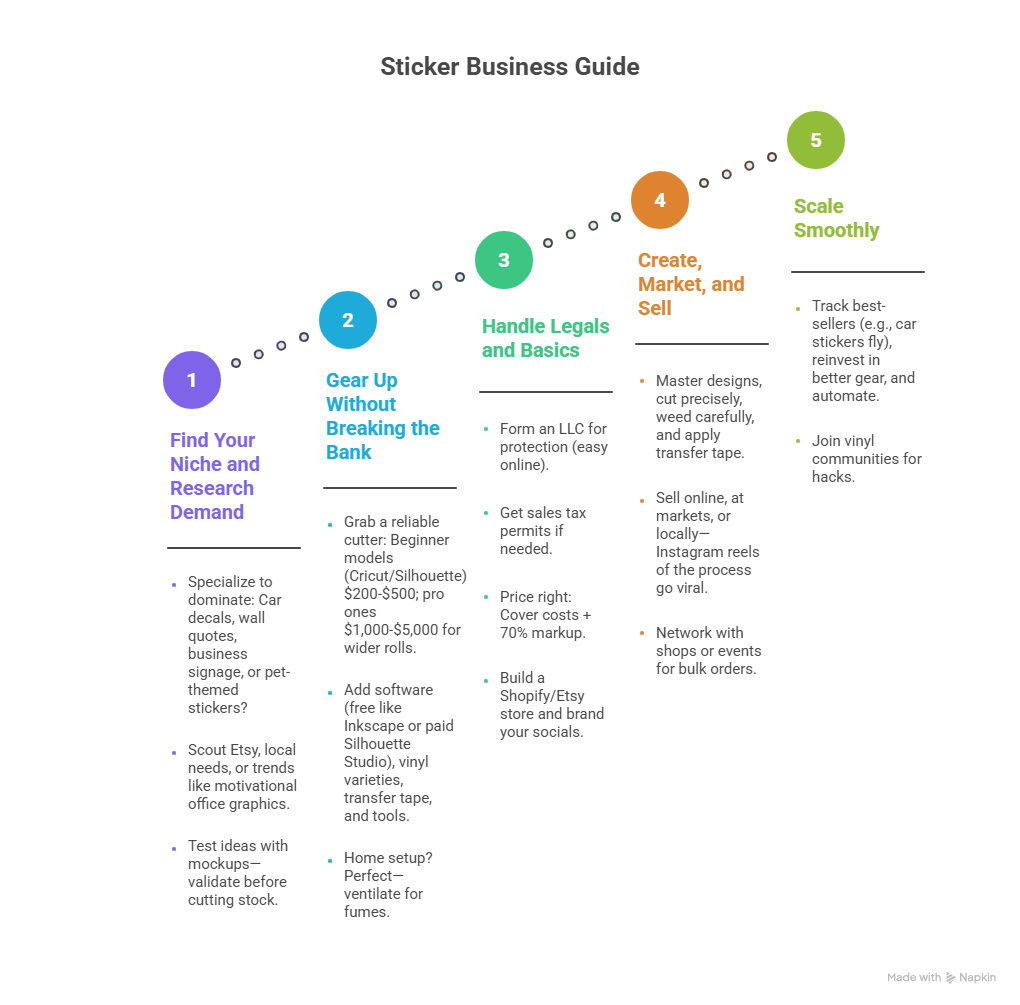
Find Your Niche and Research Demand
Specialize to dominate: Car decals, wall quotes, business signage, or pet-themed stickers? Scout Etsy, local needs, or trends like motivational office graphics. Test ideas with mockups—validate before cutting stock.
Gear Up Without Breaking the Bank
Grab a reliable cutter: Beginner models (Cricut/Silhouette) $200-$500; pro ones $1,000-$5,000 for wider rolls. Add software (free like Inkscape or paid Silhouette Studio), vinyl varieties, transfer tape, and tools. Home setup? Perfect—ventilate for fumes.
Handle Legals and Basics
Form an LLC for protection (easy online). Get sales tax permits if needed. Price right: Cover costs + 70% markup. Build a Shopify/Etsy store and brand your socials.
Create, Market, and Sell
Master designs, cut precisely, weed carefully, and apply transfer tape. Sell online, at markets, or locally—Instagram reels of the process go viral. Network with shops or events for bulk orders.
Scale Smoothly
Track best-sellers (e.g., car stickers fly), reinvest in better gear, and automate. Join vinyl communities for hacks.
Red Flags: Concerns and Mistakes to Avoid Burning Cash
Vinyl looks easy, but beginners often waste vinyl, time, or rep on fixable flubs. Steer clear to keep losses low.
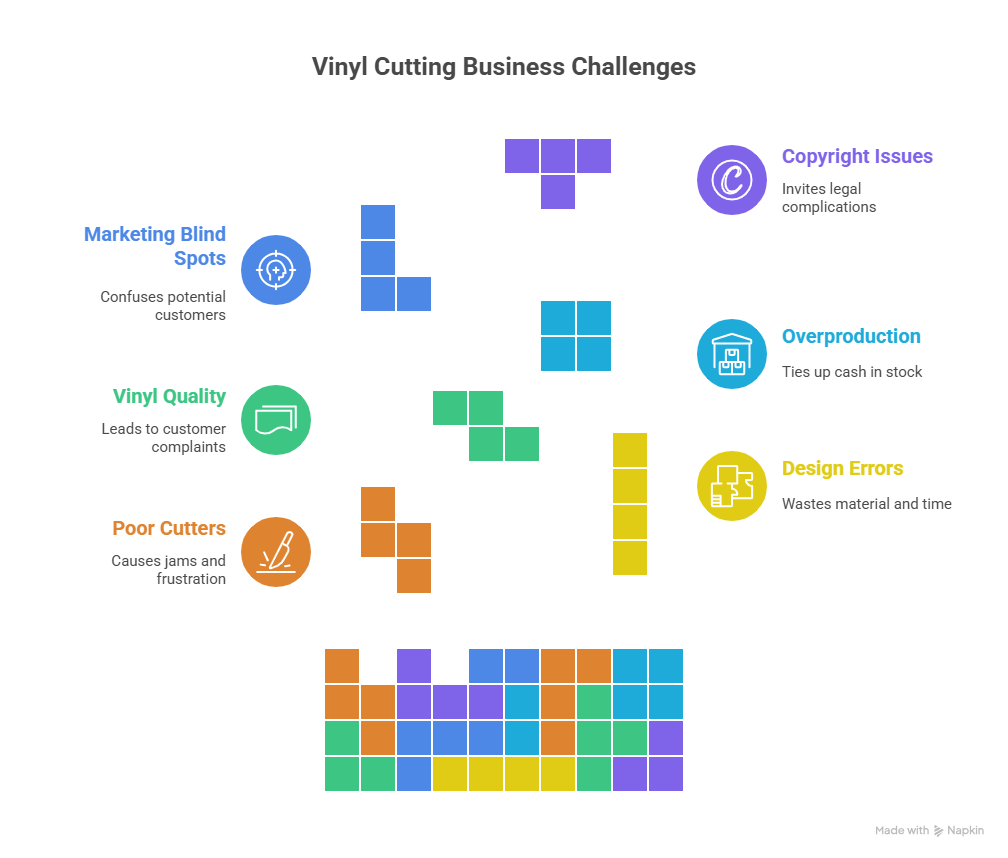
- Cheap Gear Trap: Skimping on cutters leads to jams, poor cuts, and frustration. Concern: Quick breakdowns. Avoid: Invest mid-range initially; read reviews.
- Design and Cutting Errors: Wrong settings bubble or tear vinyl; thin fonts weed poorly. Mistake: No tests—wasted material. Follow: Always test cuts, use thick designs for small decals, calibrate blades.
- Quality Vinyl and Tape Issues: Hobby vinyl fades fast; wrong transfer tape won’t lift or removes badly. Pitfall: Customer complaints/returns. Take concern: Use pro-grade (Oracal/3M) and match tack levels.
- Copyright and Overheads: Copying logos invites trouble; ignoring waste adds up. Concern: Legal hits or slim margins. Avoid: Original designs only; track every expense.
Wrapping Up: Turn Small Business Machines into Big Opportunities
From vending machines to ice cream makers, these top 8 small business machines offer diverse paths to profitability in 2025. With low startup costs, high margins, and endless scalability, they’re ideal for turning ideas into income. Research your niche, start small, and market relentlessly—online platforms can amplify your reach exponentially. Whether you’re crafting with a laser cutter or popping profits with popcorn, the key is action. What’s your favorite from this list? Share below, and let’s discuss how to get started—your business breakthrough awaits!
1. What are the top 8 small business machines for making money in 2026?
Here are the standout options based on affordability, market demand, and scalability:
- Cookies/Biscuit Making Machines – Perfect for bakery startups producing custom treats.
- Vending Machines – Passive income from snacks and drinks in high-traffic spots.
- 3D Printers – Ideal for custom prototypes, toys, and personalized gifts.
- Laser Cutters – Great for engraved signs, decor, and custom wood/acrylic products.
- Food Dehydrators – Produce healthy snacks like fruit chips for the wellness market.
- CNC Routers – Excel at precision woodworking for furniture and signs.
- Embroidery Machines – Customize apparel, hats, and merch with logos.
- Vinyl Cutters – Create decals, signage, and vehicle graphics on demand.
These machines allow home-based or small-shop operations with growing e-commerce potential.
How much does it cost to start with one of these machines?
Startup costs vary widely:
- Budget-friendly (under $1,000): Vinyl cutters, basic food dehydrators, entry-level 3D printers.
- Mid-range ($2,000–$10,000): Vending machines, embroidery machines, laser cutters, cookie makers.
- Higher investment ($10,000+): Advanced CNC routers or commercial-scale setups.
Add extras like materials, software, and marketing—many start under $5,000 total and scale with profits.
Which machine offers the most?
Vending machines lead for passive earnings. Place them in offices, gyms, or apartments, restock weekly, and collect cash (or use cashless payments). Successful operators earn steady revenue with minimal daily work once locations are secured.
Are these businesses suitable for beginners with no experience?
Yes, most are beginner-friendly:
- Vinyl cutters and 3D printers have easy software and tons of free tutorials.
- Food dehydrators require basic recipes and safety knowledge.
- Embroidery and laser cutters involve a learning curve but offer quick mastery with practice.
Start small, use online communities (like Reddit or YouTube), and test before going big. Passion for the niche helps a lot!
What kind of profits can I expect?
Margins often range from 40-80%, depending on the product:
- High-markup items: Custom embroidery (50-70%), vinyl decals (70%+), 3D printed gifts.
- Volume-based: Vending (20-50% after restocking), dehydrated snacks (40-60%).
Many side-hustlers make $1,000–$5,000/month part-time; full-time ops can hit six figures with scaling. Location, marketing, and niche matter most.
Do I need a special space or can I run these from home?
Most work great from home or a garage:
- Quiet and compact: 3D printers, vinyl cutters, embroidery machines, dehydrators.
- Need ventilation/dust control: Laser cutters and CNC routers.
- Mobile: Vending machines go in external locations.
Check local zoning laws for food-related (cookie makers/dehydrators) or noise/dust concerns.
How do I avoid common mistakes and losses?
Key pitfalls to dodge:
- Research demand and niche first—don’t buy without validating sales potential.
- Start with mid-range quality gear to avoid breakdowns.
- Track all costs (materials, electricity, shipping) for accurate pricing.
- Focus on marketing early (Instagram, Etsy, local networks).
- Comply with safety regs, especially for food or lasers.
Begin small, learn from tests, and reinvest profits to minimize risks.
Where should I sell products made with these machines?
Top channels:
- Online: Etsy, Shopify, eBay for custom items (great for 3D, vinyl, embroidery).
- Local: Farmers’ markets, craft fairs, or direct to businesses (signage, apparel).
- Passive: Stock vending machines yourself.
- Partnerships: Supply shops, events, or gyms.
Social media showcases (process videos) drive tons of orders—visual products sell themselves! Ready to pick your machine and start earning? These options prove you don’t need a huge investment for big rewards. Drop a comment with your favourite or any questions—we love hearing your plans!