
Thinking about starting a rental property business but not sure where to begin? You’re not alone.
Many people see rental properties as a way to earn steady income and build long-term wealth, but diving in without a clear plan can lead to costly mistakes. What if you could learn simple, proven steps that help you find the right properties, manage tenants smoothly, and maximize your profits from day one?
This guide will walk you through exactly how to start your rental property business with confidence, so you can turn your investment dreams into reality. Keep reading, because your path to financial freedom starts here.
Choosing Rental Property Types
Choosing the right type of rental property is a key step in starting your rental business. Each property type offers different benefits and challenges. Understanding these options helps you pick the best fit for your goals and budget.
Consider your investment amount, management style, and target tenants. This section explains common rental property types to guide your decision.
Residential Properties
Residential properties include houses, apartments, and condos. They attract families, singles, and students. These rentals usually have steady demand.
Maintenance and tenant turnover tend to be moderate. Rental income is predictable with long-term leases. Residential properties are often easier to finance.
Commercial Spaces
Commercial spaces include offices, retail shops, and warehouses. Businesses rent these spaces for work and sales. Leases often last several years.
These properties can offer higher rental income. Tenant improvements might be needed before leasing. Commercial rentals require more management skills.
Vacation Rentals
Vacation rentals are short-term homes for travelers. They include cabins, beach houses, and city apartments. These rentals can earn high rates in peak seasons.
Occupancy can vary greatly by season and location. Managing bookings and cleaning is more frequent. Vacation rentals suit investors who want active management.
Specialty Rentals
Specialty rentals cover unique properties like storage units, parking spaces, or event venues. These often need less maintenance and fewer tenant interactions.
They may have niche markets and steady demand. Specialty rentals can diversify your portfolio and income sources. Research the specific market carefully before investing.
Evaluating Market Potential
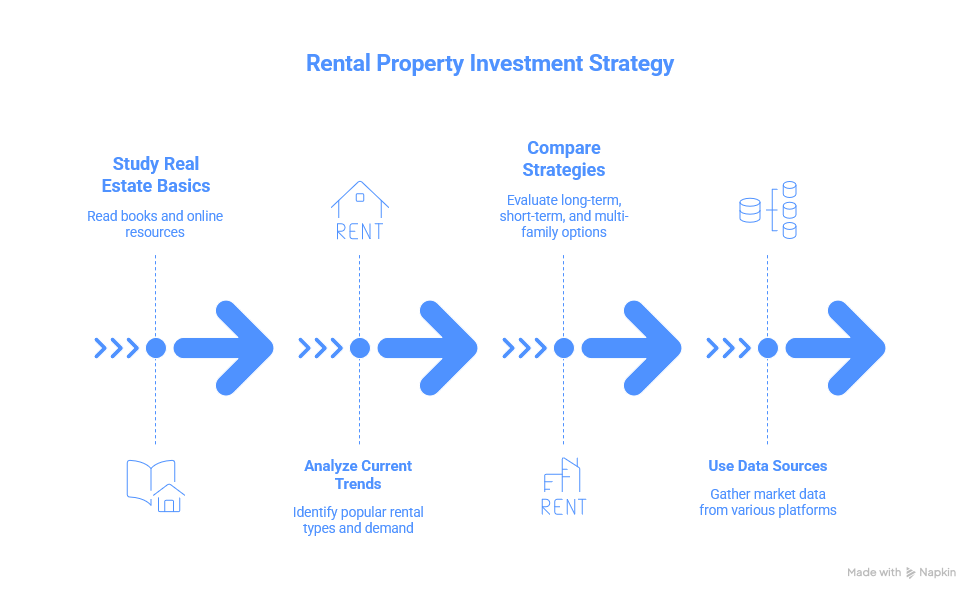
Evaluating market potential is a crucial step before starting a rental property business. It helps identify if the location can provide steady rental income and property value growth. Assessing various market factors reduces risks and improves your investment decisions. Understanding local demand, rental rates, and neighborhood growth guides you to the right property choices.
Local Demand Analysis
Local demand shows how many people need rental homes. Check population size and job opportunities in the area. A growing population often means more renters. Look at the types of renters, such as families or students. This helps you choose the right property type. High demand usually leads to fewer vacancies and steady rent payments.
Rental Rate Trends
Rental rates reveal how much income a property can generate. Study past and current rental prices in your target market. Rising rents indicate a strong market and potential profits. Stable or falling rents might warn of lower returns. Compare rates for similar properties to set realistic expectations. Keep an eye on seasonal changes or economic shifts affecting rent.
Neighborhood Growth Factors
Neighborhood growth affects property values and rental demand. Look for new businesses, schools, and infrastructure projects nearby. These improvements attract renters and increase property appeal. Safety and community services also matter to tenants. Areas with planned development often see better long-term returns. Avoid neighborhoods with declining amenities or high crime rates.
Financial Planning And Budgeting
Financial planning and budgeting form the foundation of a successful rental property business. Careful money management helps avoid surprises and keeps your business stable. It allows you to prepare for expenses and plan for profits. Without a clear financial plan, it is easy to overspend or miss key opportunities.
Start by understanding all costs involved and how money flows in and out. Then measure returns and set clear financial goals. This structured approach supports smart decision-making and steady growth.
Startup Costs Breakdown
Identify all initial costs before buying your first rental property. Include the purchase price, closing fees, and inspection charges. Budget for repairs and renovations needed to rent the property. Factor in insurance and legal fees. Don’t forget marketing expenses to find tenants quickly. A clear list of startup costs prevents budget overruns.
Estimating Cash Flow
Calculate expected income and subtract all expenses. Rent payments form the main income source. Expenses include mortgage, property taxes, insurance, and maintenance. Account for property management fees if you hire help. Set aside money for vacancy periods when the property is empty. Positive cash flow means income exceeds expenses, which is crucial for success.
Calculating Cash-on-cash Return
Cash-on-cash return measures your cash income against the cash invested. Use this formula: (Annual Cash Flow ÷ Total Cash Invested) × 100. This percentage shows how well your investment performs. A higher return means better profitability. Use it to compare different properties or investment options.
Setting Financial Goals
Define clear financial targets for your rental business. Goals can include monthly cash flow, return rates, or total profit. Set short-term and long-term objectives. These goals help track progress and keep you motivated. Adjust goals as your business grows and market conditions change.
Financing Your Investment
Financing your rental property investment is a crucial step in starting your business. It shapes the scale and success of your venture. Knowing the right funding options helps you plan better and secure your investment confidently.
Loan Options
Traditional bank loans are common for rental properties. These loans often require a good credit score and proof of income. Government-backed loans like FHA and VA can offer lower down payments. Private lenders also provide loans but may charge higher interest. Choose a loan that fits your budget and goals.
Using Equity
Equity in your current property can fund your new rental. Home equity loans or lines of credit let you borrow against your property’s value. This option usually has lower interest than personal loans. Be careful to manage risks and avoid over-borrowing. Using equity can speed up your investment process.
Alternative Funding Sources
Crowdfunding platforms connect investors to raise capital for rental properties. Partnerships allow pooling money with others to share costs and profits. Hard money lenders offer fast loans but at high interest rates. Personal savings or family loans can provide flexible funding without strict terms.
Legal Structure And Compliance
Starting a rental property business requires careful attention to legal structure and compliance. These factors protect your personal assets and keep your business operating smoothly. Understanding the right legal setup and following local rules can save time and money. Each step builds a solid foundation for growth.
Forming An LLC
Creating a Limited Liability Company (LLC) separates your personal and business assets. This legal structure limits your personal risk if the business faces lawsuits or debts. An LLC is easier to manage than other business types. It also offers tax benefits, as income can pass through to your personal tax return without double taxation. Filing paperwork with your state and paying a fee starts the process. An LLC name must be unique in your state.
Licenses And Permits
Rental property businesses need specific licenses and permits to operate legally. These vary by location and property type. Common requirements include a business license and a rental housing permit. Some cities require landlords to register each rental unit. Check with local government offices or websites for exact rules. Keeping licenses current avoids fines and legal trouble. It also shows tenants you run a professional business.
Zoning And Regulations
Zoning laws control how properties can be used in a city or county. Ensure your rental property complies with local zoning rules. Some areas restrict rentals to certain types of housing or limit short-term rentals. Building codes and safety regulations also apply. These rules protect tenants and neighbors. Violating zoning or safety laws can lead to penalties or forced closure. Contact your local zoning office to confirm your property’s status.
Property Acquisition Strategies
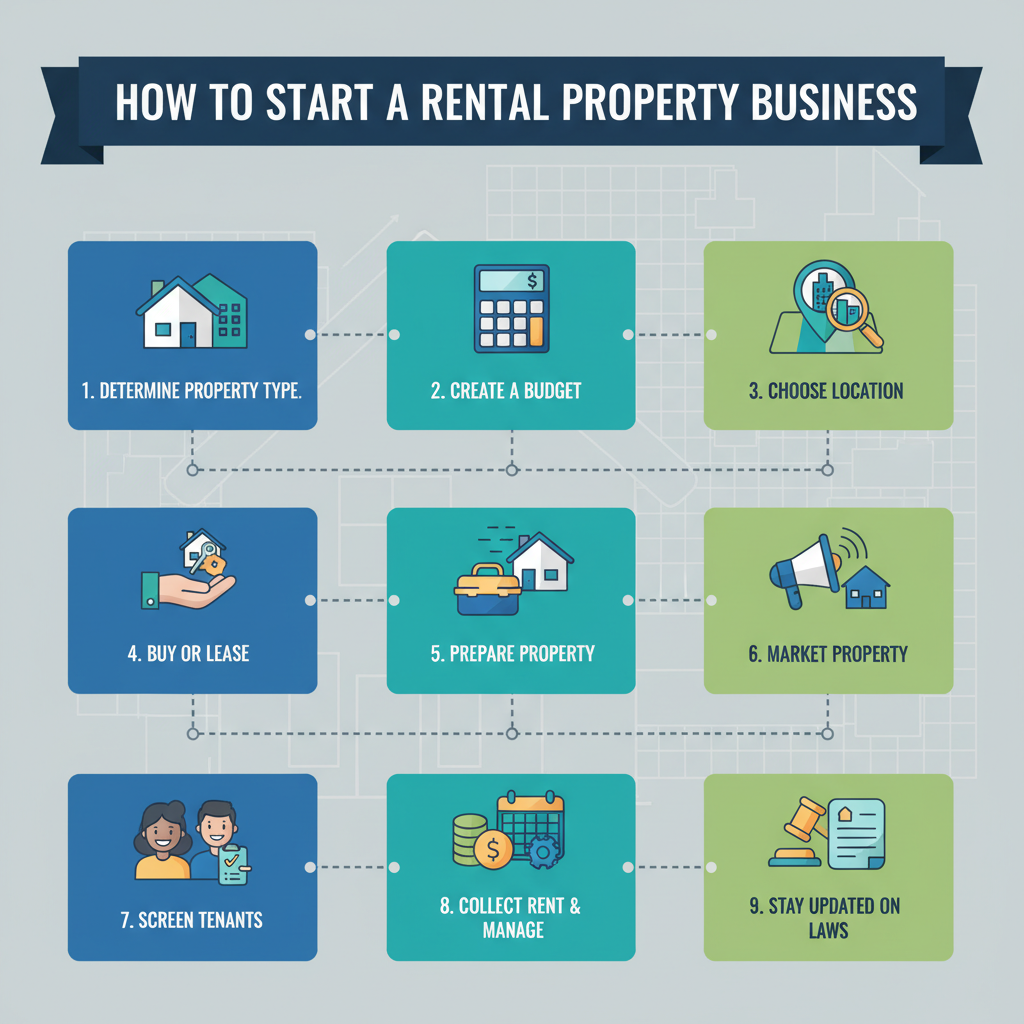
Acquiring the right properties is key to building a successful rental property business. Smart property acquisition strategies help secure valuable assets that generate steady income. Focus on finding properties with good potential and fair prices. Thorough research and careful planning reduce risks and improve profits.
Finding Suitable Properties
Start by exploring neighborhoods with strong rental demand. Use online listings, real estate agents, and local auctions. Look for properties near schools, public transport, and shopping centers. Check the condition and age of each property. Consider future developments that may increase property value. Choose properties that fit your budget and investment goals.
Negotiation Tips
Prepare well before making an offer. Know the market prices and recent sales in the area. Be polite but firm in your discussions. Highlight any repair costs or issues to ask for price reductions. Stay patient and ready to walk away if terms are not favorable. A good deal often requires time and persistence.
Due Diligence Checklist
- Verify property ownership and title status.
- Inspect the property for structural and maintenance issues.
- Review local zoning laws and rental regulations.
- Check for any liens or unpaid taxes.
- Estimate repair and renovation costs.
- Analyze potential rental income and expenses.
- Confirm neighborhood safety and amenities.
Managing Rental Properties
Managing rental properties is a key part of building a successful rental business. It ensures steady income and protects your investment. Proper management helps keep tenants happy and properties in good shape.
Good management starts with finding the right tenants. Clear rules and quick repairs keep tenants satisfied. Handling empty units fast reduces income loss. Let’s explore the main tasks involved in managing rental properties.
Tenant Screening
Choose tenants carefully to avoid future problems. Check credit scores, rental history, and employment status. Contact previous landlords to learn about tenant behavior. A thorough screening process reduces risks of late payments or damage. Use simple, clear criteria to keep it fair.
Lease Agreements
A lease agreement protects both landlord and tenant. It lists rent amount, payment dates, and rules for the property. Include details about security deposits and maintenance responsibilities. Make the lease easy to understand and follow local laws. Signed leases prevent misunderstandings and legal issues.
Maintenance And Repairs
Keep properties safe and clean with regular maintenance. Fix problems quickly to avoid bigger costs later. Schedule inspections to spot issues early. Respond to tenant repair requests promptly. Use trusted contractors for quality work. Good maintenance keeps tenants happy and protects property value.
Handling Vacancies
Empty units mean no rent income. Advertise vacancies widely to find tenants fast. Show properties clean and well-maintained. Offer competitive rent based on market rates. Screen new tenants carefully before signing leases. Quick turnover helps keep your rental business profitable.
Maximizing Rental Income
Maximizing rental income is crucial for a successful rental property business. It ensures steady cash flow and improves profitability. Small changes can lead to higher earnings without extra properties. Focus on strategies that increase rent and reduce costs. Smart management boosts your income over time.
Setting Competitive Rents
Research local rental prices often. Set your rent slightly below similar properties to attract tenants quickly. Avoid setting rent too high, which may cause vacancies. Adjust rent based on demand and season. Competitive pricing keeps your property occupied and income steady.
Adding Value To Properties
Simple upgrades attract better tenants and justify higher rent. Fresh paint, modern fixtures, and clean landscaping improve appeal. Energy-efficient appliances save money and attract eco-conscious renters. Adding storage or parking increases property value. Small improvements create a big impact on rental income.
Leveraging Technology
Use online platforms to market your property widely. Digital tools help screen tenants quickly and reduce vacancy time. Automate rent collection for timely payments. Use maintenance apps to track repairs and expenses. Technology simplifies management and supports consistent rental income.
Tax Planning And Asset Protection
Tax planning and asset protection are essential for anyone starting a rental property business. Proper strategies reduce tax burdens and shield your assets from risks. This ensures the business remains profitable and secure over time.
Understanding tax benefits and securing insurance helps protect your investment. Careful planning creates a strong foundation for growth and stability.
Tax Deductions And Benefits
Rental property owners can claim many tax deductions. Common deductions include mortgage interest, property taxes, and repairs. Depreciation is a significant benefit, allowing you to reduce taxable income. Keep detailed records of all expenses to maximize deductions. These benefits lower your overall tax bill and increase cash flow.
Insurance Coverage
Insurance protects your property from damage and liability claims. Standard policies include landlord insurance and property insurance. Consider additional coverage like loss of rental income or liability protection. Insurance costs vary by location and property type. Investing in the right coverage prevents large financial losses from unexpected events.
Protecting Investments
Asset protection separates personal assets from business risks. Forming an LLC or corporation shields your personal property. This limits liability if legal issues arise. Use proper contracts and tenant screening to reduce risks. Regular maintenance prevents costly repairs and preserves property value. These steps help secure your long-term success.
Scaling Your Rental Business
Scaling your rental property business marks a key step in growing your income and influence in real estate. It requires careful planning and smart decisions to expand without losing control. Scaling means more properties, better management, and a strong support team. Each part plays a vital role in building a successful rental empire.
Expanding Property Portfolio
Adding more rental properties increases your income streams. Focus on diverse locations to reduce risk. Choose properties that match your budget and goals. Analyze market trends and tenant demand carefully. Look for properties with good cash flow potential. Financing options like loans or partnerships can help. Keep track of expenses and income for each property.
Building A Team
A skilled team reduces your workload and improves business efficiency. Hire reliable contractors for repairs and maintenance. Work with real estate agents to find good deals. Employ an accountant to manage finances and taxes. A legal advisor helps with contracts and disputes. Clear communication and defined roles keep the team effective. Invest time in training and building trust.
Using Property Management Services
Property managers handle daily operations and tenant relations. They screen tenants, collect rent, and manage maintenance requests. Using these services saves time and reduces stress. Choose a management company with good reviews and local experience. Understand their fees and services before hiring. Regular reports from managers keep you updated on your investments. This allows you to focus on growth strategies.
Emerging Rental Niches
The rental market is evolving fast. New niches open up fresh chances for investors and entrepreneurs. These emerging rental niches offer unique ways to make steady income. They often require less competition and offer better returns.
Exploring these niches can help you find the right fit for your skills and budget. Here are three exciting options gaining popularity today.
Sustainable Rentals
Sustainable rentals focus on eco-friendly products and services. Items like solar panels, electric bikes, and reusable party supplies fall here. More people want to reduce their environmental impact. Renting green products meets this demand.
This niche often attracts conscious consumers. It also helps build a positive brand image. Starting sustainable rentals supports a healthier planet and offers growing profits.
Tech Equipment Leasing
Tech equipment leasing includes renting gadgets like laptops, cameras, and drones. Businesses and individuals need tech gear temporarily. They avoid large upfront costs by renting instead.
This niche suits those who understand technology. It requires good maintenance and quick updates to stay competitive. Tech leasing can yield high returns due to constant demand.
Event And Specialty Gear
Event and specialty gear rentals cover items for weddings, parties, and festivals. Think tents, sound systems, and lighting. These rentals see spikes during event seasons.
Clients prefer renting over buying bulky, costly equipment. This niche works well for those with storage space and logistics skills. It offers good cash flow during peak times.
Frequently Asked Questions
How Much Money To Start A Rental Property Business?
Starting a rental property business typically requires $20,000 to $50,000 for down payment, repairs, and initial expenses. Costs vary by location, property type, and financing options. Budget for mortgage, taxes, insurance, maintenance, and vacancies to ensure positive cash flow and long-term success.
How Many Rental Properties To Make $5000 A Month?
To make $5,000 monthly, rent out 4-6 properties with $800-$1,200 net income each. Numbers vary by location and expenses.
What Is The 50% Rule In Rental Property?
The 50% rule estimates rental property expenses at 50% of gross income. It helps quickly gauge profitability before detailed analysis.
Which Rental Business Is Most Profitable?
Heavy construction equipment, RVs/trailers, and event rentals like weddings offer the highest profitability due to strong demand and high returns.
Conclusion
Starting a rental property business takes planning and effort. Choose properties carefully to match your budget and goals. Keep track of all expenses and income to stay profitable. Learn local laws to manage rentals properly and avoid problems. Building good relationships with tenants helps keep your business steady.
Stay patient as you grow your property portfolio step by step. With focus and smart choices, your rental business can succeed.