Hey there, aspiring entrepreneurs! If you’ve ever dreamed of turning a small space into a buzzing factory that churns out products people actually want—and makes you money while doing it—you’re in the right place. In a world shifting toward sustainability, health, and personalization, starting a small manufacturing business isn’t just viable; it’s a goldmine for savvy starters. With global markets exploding in eco-friendly and custom goods, you can launch from a garage or workshop with minimal investment and scale up as demand grows.
Why am I so pumped about this? Well, as someone who’s passionate about factory machines and small-scale production, I’ve seen how these setups empower everyday folks to build empires. The beauty? Low barriers to entry mean you don’t need a massive loan or fancy degrees—just grit, a good machine, and smart marketing. In this long guide, we’ll dive into 10 game-changing machines for small factories, based on real market trends and practical insights. Each one offers high-profit potential, especially in 2026 when consumers prioritize green, healthy, and unique items.
Whether you’re in any country (where plastic bans are pushing eco-alternatives hard) or anywhere else, these ideas are adaptable. We’ll cover why each business rocks, startup costs, profit tips, and marketing hacks. Plus, I’ll share general advice on why dive in now and how to avoid common pitfalls that lead to losses. Let’s get your factory rolling—comment below with your location and top pick!
Are you ready to boost your profits with a mini factory that fits right in your workspace? Choosing the right machines can make all the difference between a struggling setup and a thriving business.
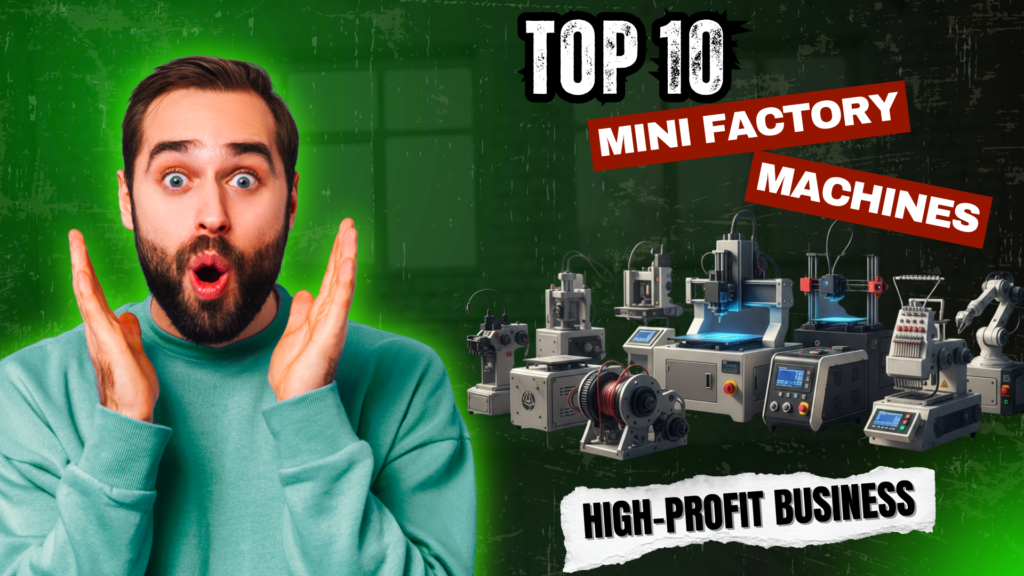
You’ll discover the top 10 mini factory machines that are set to bring you the highest returns in 2026. Whether you’re just starting or looking to upgrade, these machines will help you work smarter, save time, and maximize your earnings.
Keep reading to find out which machines can transform your business and put you ahead of the competition.
Why Start a Small Factory Business in 2026? The Big Picture Perks
Before we jump into the machines, let’s talk motivation. Why bother setting up a small factory when you could flip burgers or sell online? Simple: Manufacturing gives you control over production, quality, and profits. Here’s the lowdown:
- Booming Markets: Sustainability is king. With plastic bans worldwide (like in Bangladesh, where single-use plastics are restricted), eco-products are exploding. Health trends post-pandemic means snacks and wellness items fly off shelves. Customization? Everyone wants unique stuff, from furniture to toys.
- Low Investment, High Returns: Most of these machine’s cost $5K–$30K to start, with margins of 20–70%. That’s way better than retail, where overhead kills profits. Many hit $5K–$10K monthly in year one.
- Scalability and Flexibility: Begin at home, expand to exports via Etsy or Alibaba. Work your hours, hire as needed. Plus, it’s fulfilling—create real value while building a brand.
- Future-Proof: Trends like green living and tech integration (e.g., 3D printing) ensure demand. In uncertain economies, essentials like ice or repellents keep cash flowing.
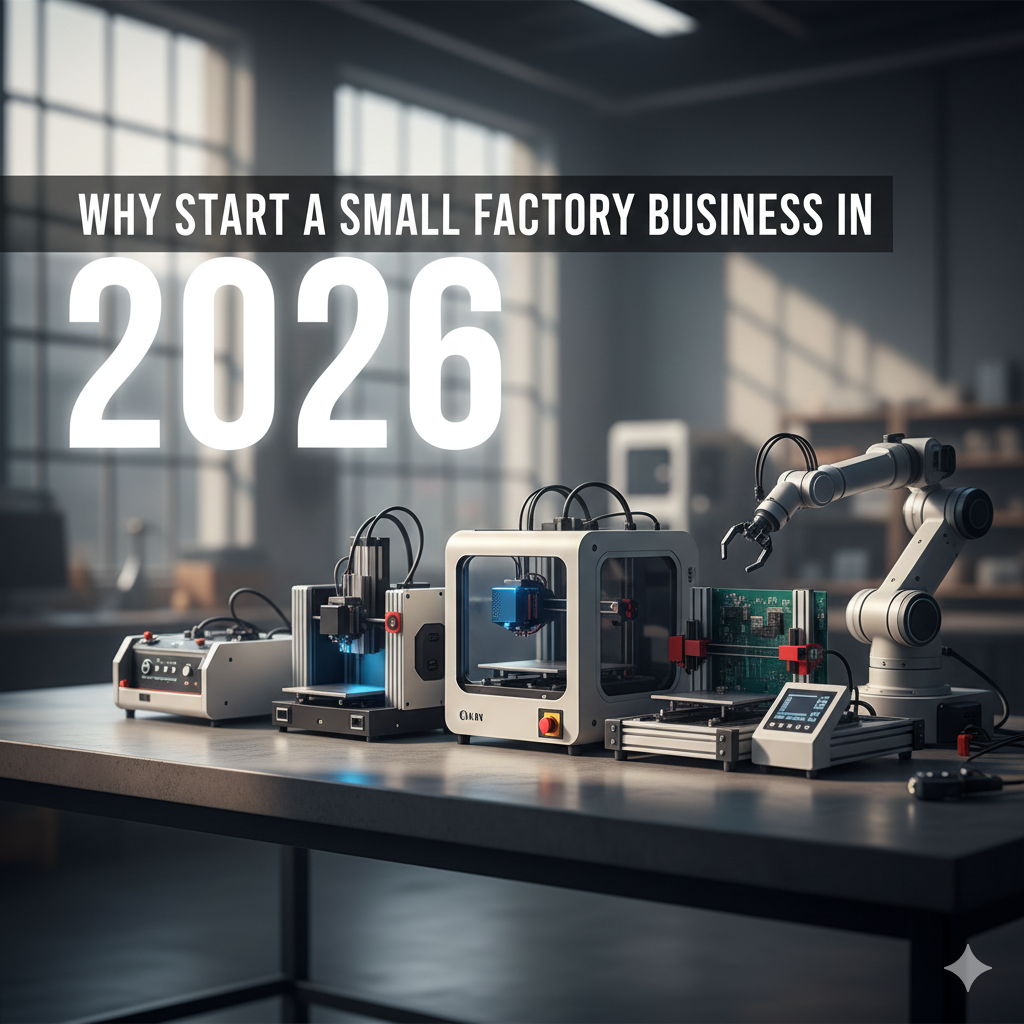
Best Mini Factory Machines For 2026
Choosing the right mini factory machines can make a huge difference in your business profits in 2026. These compact machines save space and cut costs while boosting productivity. If you want to stay ahead, picking the best equipment tailored to your needs is key.
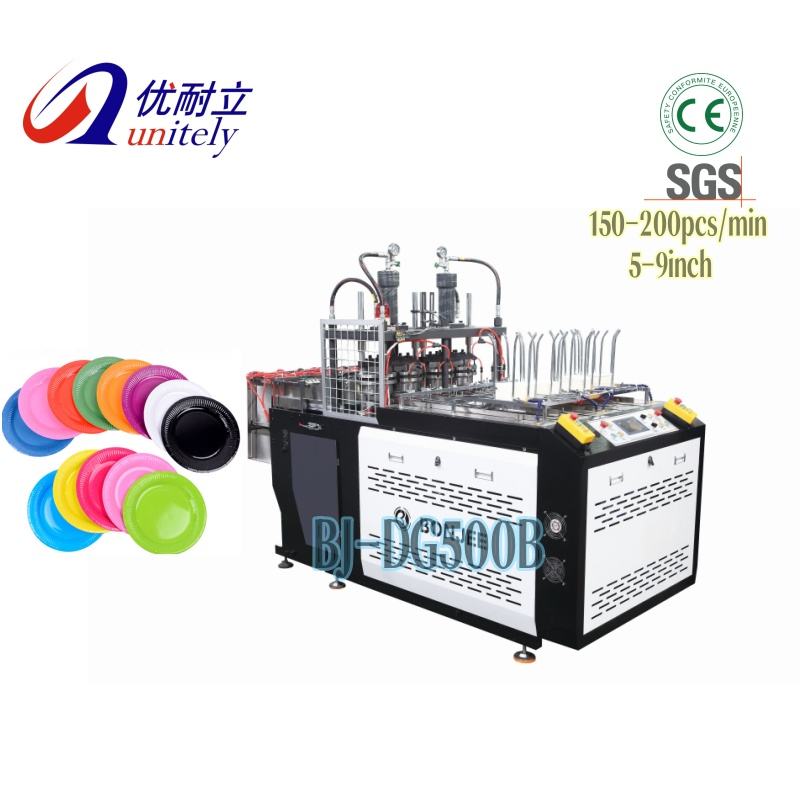
1. Biodegradable Paper Plate Manufacturing: Eco-Friendly Essentials on the Rise
As plastic bans sweep the globe—like Bangladesh’s push against single-use items—biodegradable paper plates are your ticket to a green gold rush. The paper plate market is zooming toward $1.27 billion by 2025, growing at 6% yearly, thanks to eco-conscious consumers ditching disposables.
Why This Machine? It’s simple, sustainable, and in demand for picnics, events, and cafés. Start small and watch sales soar.
Startup Basics: Invest $15K–$25K in a paper pulp molder and hydraulic press. Set up in a garage or workshop—no fancy space needed. Each plate costs 5–10 cents to make but sells for double, netting 20–40% margins. Many beginners pull in $5K–$10K monthly by year one, supplying local eateries and planners.
Production Tips: Use recycled paper pulp for that extra eco-appeal. Automate molding for speed—produce hundreds per hour.
Marketing Magic: Go viral on social media with time-lapse videos of plates decomposing in soil. Use hashtags like #EcoFriendlyPlates or #PlasticFreeLiving. Partner with restaurants for bulk orders—offer custom branding for events.
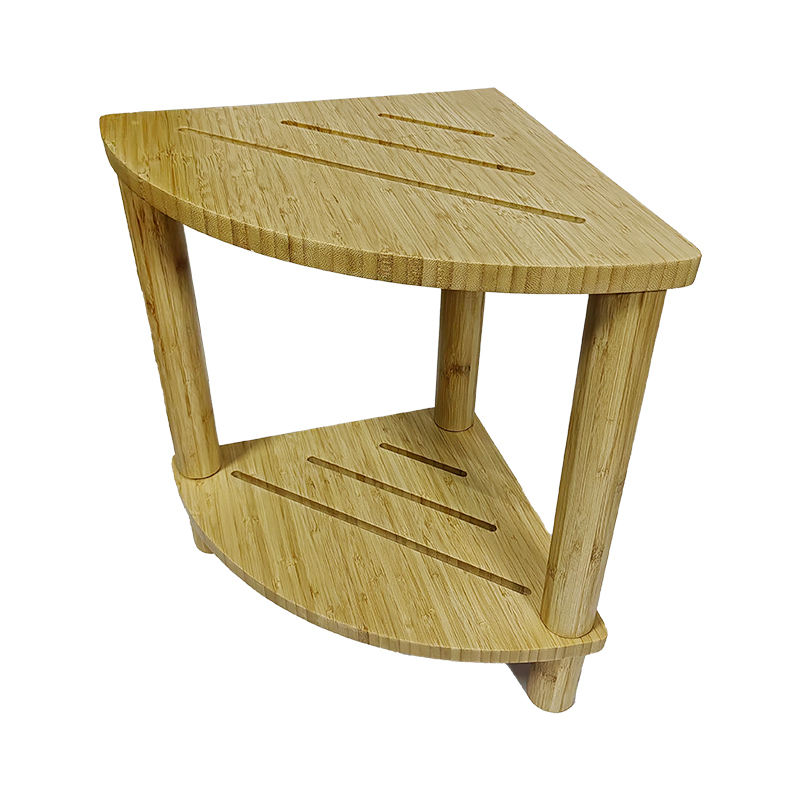
2. Sustainable Bamboo Furniture Crafting: Natural Elegance for Modern Homes
Sustainability isn’t a buzzword—it’s a business boom. The bamboo furniture market tops $13.66 billion globally, expanding at 7.2% annually as people seek eco-home upgrades.
Why This Machine? Bamboo grows fast and renews easily, making it perfect for guilt-free décor. Craft chairs, lamps, or tables that appeal to minimalist buyers.
Startup Basics: Grab polishers, cutters, and benders for $20K. A small workshop suffices. Raw bamboo is cheap; finished pieces sell for 3–5x cost, yielding 35–45% margins. Target hotels, cafés, and resorts for steady gigs.
Production Tips: Focus on durable joins and smooth finishes—bamboo’s natural texture shines with minimal effort.
Marketing Magic: Pinterest and Instagram are your playgrounds. Post lifestyle shots of bamboo in cozy settings. Create limited-edition drops for buzz—exclusivity drives sales. Sell worldwide via Etsy or Shopify.
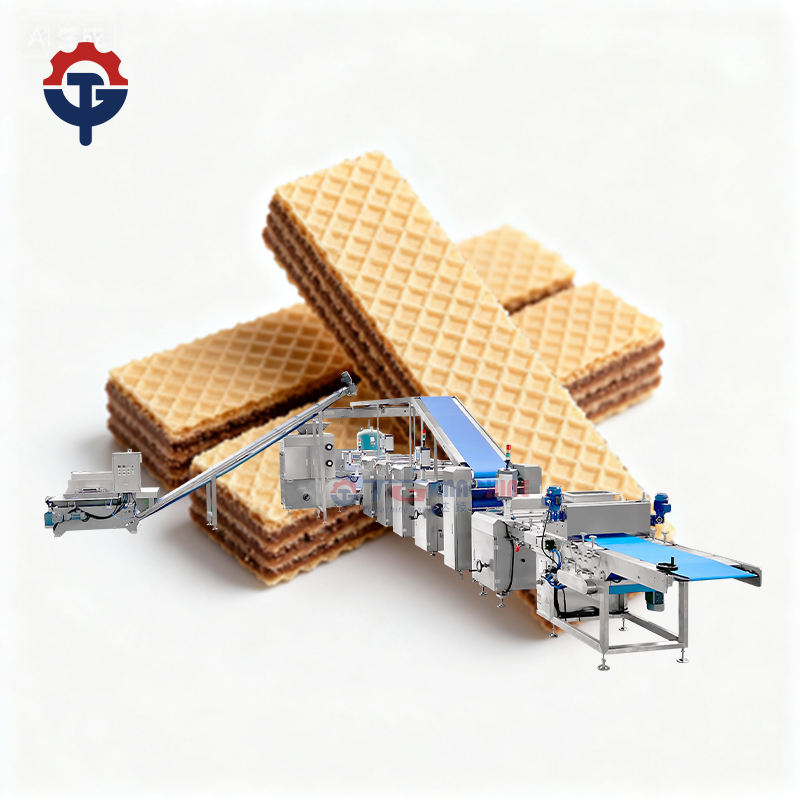
3. Healthy Wafer Snack Production: Crunchy Wellness in Every Bite
Fried snacks are out; healthy alternatives are in. The global healthy snacks market hits $144.64 billion by 2030, as folks swap junk for nutrient-packed options.
Why This Machine? Wafers from millet, oats, or chia are gym-goer favorites—light, tasty, and health-branded.
Startup Basics: A $10K–$15K wafer baking machine gets you rolling. Produce at $3 per kilo, sell for $6–$7, and pocket 35–40% margins. Ideal for small factories targeting fitness spots and schools.
Production Tips: Experiment with “zero oil” or protein-rich recipes. Scale by adding flavors like herb or spice variants.
Marketing Magic: Short Reels with satisfying “crunch” sounds hook viewers. Sell via health stores, gyms, and apps like Uber Eats. Combo packs keep customers coming back.
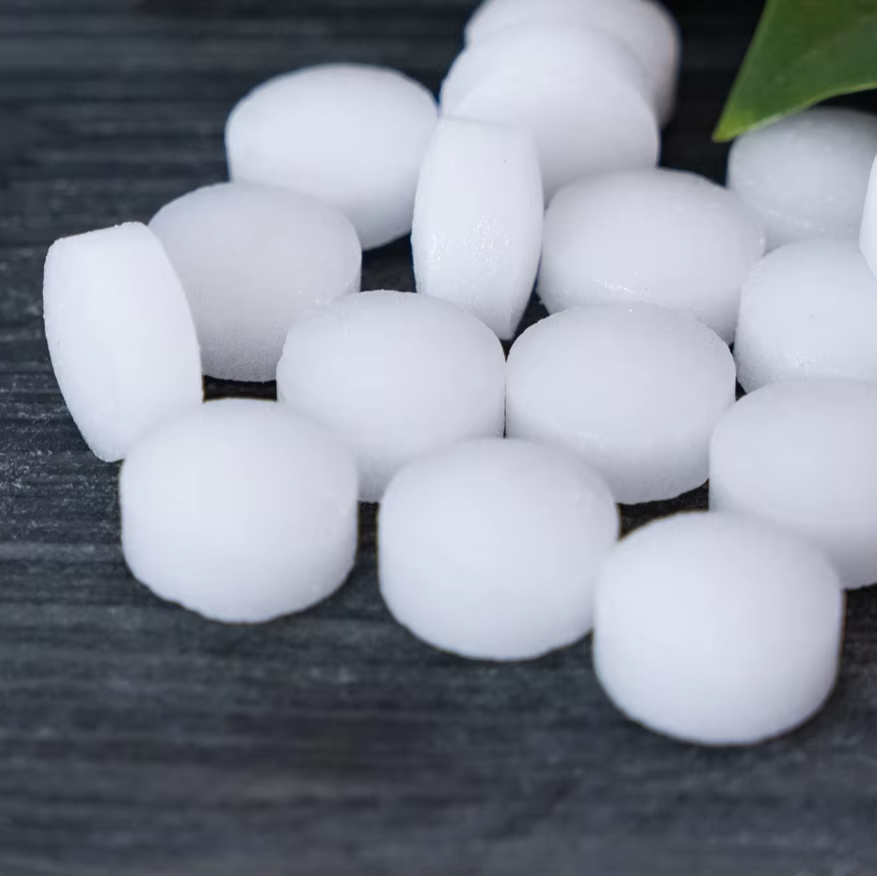
4. Eco-Friendly Moth Repellent Balls: Natural Protection for Homes
Chemical repellents are fading; natural ones are rising. The eco-mothball market (using camphor, neem, lavender) eyes $8 billion by 2028, as households go green.
Why This Machine? Safe, aromatic balls protect clothes without toxins—perfect for organic living.
Startup Basics: $6K–$8K for a mixing and molding unit. Produce thousands daily with 60–70% margins. Start from home and expand to exports.
Production Tips: Vary aromas for premium lines—lavender for calm, neem for potency.
Marketing Magic: Pitch as “chemical-free wardrobe guardians” on organic sites. Sell in stores or online—strong packaging seals the deal.
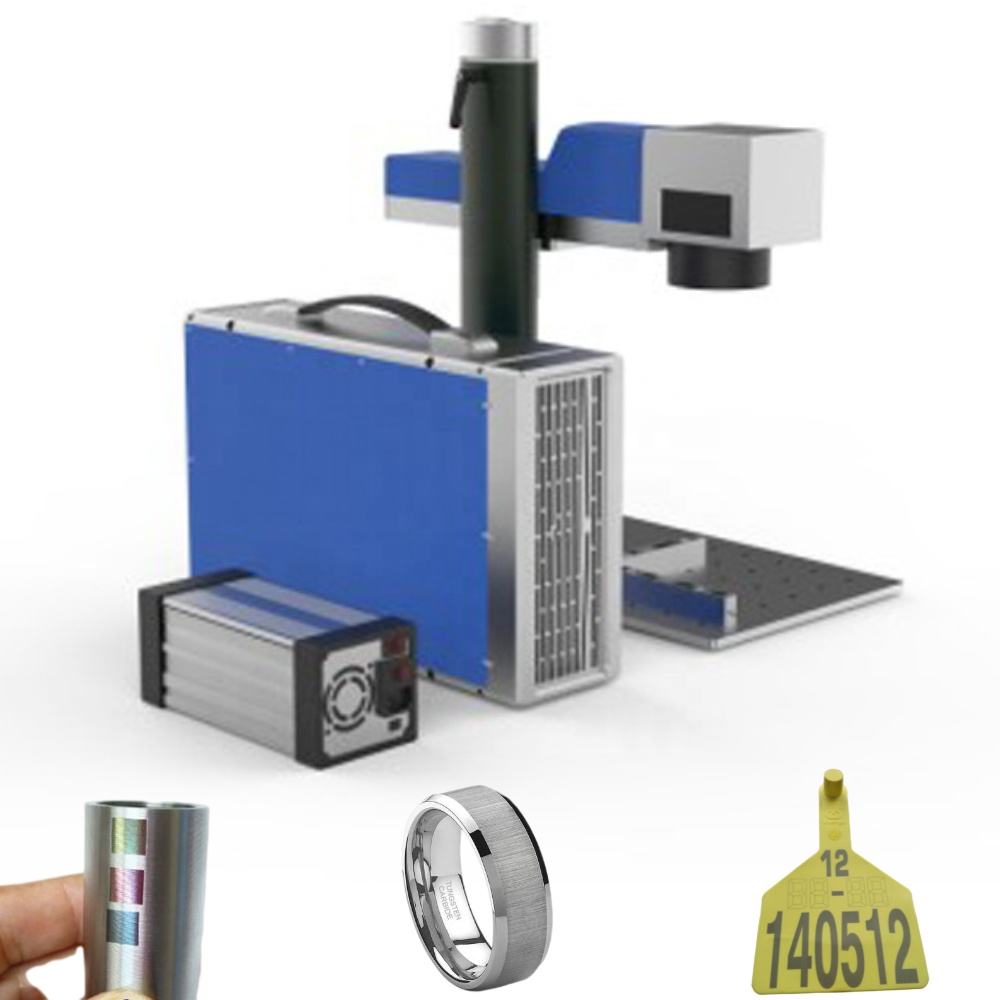
5. Laser-Cut Handicraft Items: Precision Meets Creativity
In today’s world, where people crave one-of-a-kind decor, gifts, and accessories, starting a laser-cut handicraft business could be your ticket to turning passion into profit. But why dive into this niche? And how do you steer clear of common pitfalls to avoid sinking your hard-earned cash? In this blog, I’ll break it all down step by step—think of it as your friendly guide to launching a thriving venture in laser-cut crafts. Whether you’re a hobbyist with a laser cutter gathering dust or a complete newbie, let’s explore why this business rocks and how to make it work without the headaches.
Why Start a Laser-Cut Handicraft Business? The Appeal of Precision and Creativity
First off, the market is booming. According to recent trends, the global handicrafts market is projected to hit over $1 trillion by 2027, with personalized and eco-friendly items leading the charge. Laser-cut handicrafts—think wall art, jewelry, home decor, and even wedding favors—tap into this demand perfectly. Why? Laser technology allows for precise, intricate designs that handmade tools can’t match, giving your products a professional edge without needing years of artisanal training.
- Low Startup Costs Compared to Traditional Businesses: You don’t need a fancy storefront or massive inventory. A decent laser cutter starts at around $500–$2,000 (depending on size and features), plus materials like wood, acrylic, or leather that are affordable and easy to source. If you’re bootstrapping, begin small from home and scale up.
- High Profit Margins: Raw materials are cheap, but the perceived value of customized items is sky-high. Sell a laser-cut wooden name plaque for $20–$50 when it costs you just $5 in materials and time. That’s a 300–900% markup!Flexibility and Creativity: This business lets you flex your artistic muscles. Design trends like minimalist Scandinavian styles or personalized gifts for holidays keep things fresh. Plus, it’s scalable—start part-time and go full-blown with online sales.
- Sustainability Angle: Eco-conscious consumers love it. Use reclaimed wood or biodegradable materials to market your laser-cut handicrafts as green alternatives to mass-produced junk.
- Growing Online Demand: Platforms like Etsy, Amazon Handmade, and social media make reaching customers effortless. With remote work on the rise, people are decorating home offices and seeking unique touches—your laser-cut coasters or phone stands could be just what they need.
Why This Machine? Cut intricate designs on wood or acrylic for nameplates, ornaments, or wedding items.
Startup Basics: $8K–$10K for a compact cutter. 40–60% margins on custom pieces—one person handles hundreds monthly.
Production Tips: Build templates for speed; customization boosts prices.
Marketing Magic: Instagram videos of laser magic captivate. Sell on Etsy or fairs; license designs for passive cash.
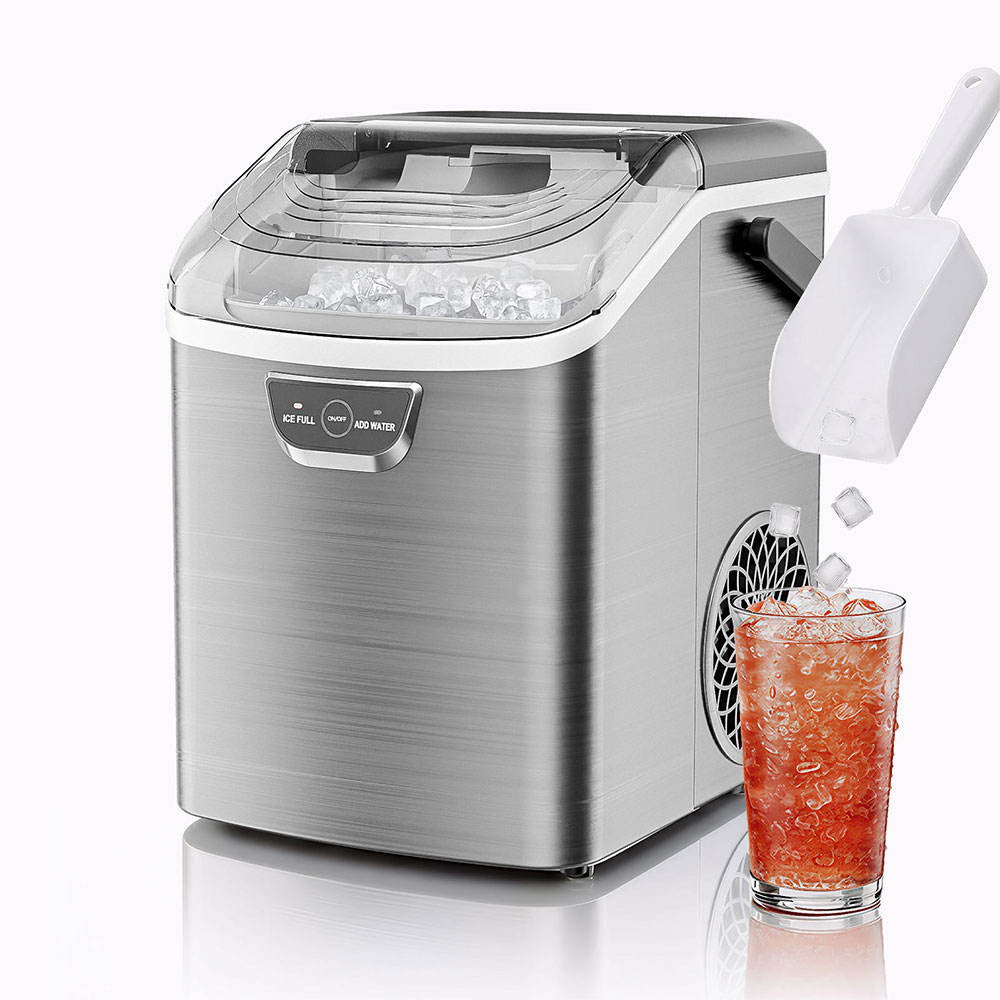
6. Portable Ice Block Production: Cool Profits Year-Round
Hey, future business owner! If you’re tired of the daily grind and dreaming of a venture that’s refreshing, literally, then let’s talk about starting a portable ice block business. Imagine supplying crisp, clean ice blocks to local shops, events, or even homes in sweltering weather—it’s a simple idea with serious potential. But why pick this over flashy tech startups or trendy cafes? And how do you keep things from melting into losses? In this blog, I’ll spill the (cold) beans on why portable ice block businesses are worth your time, a straightforward guide to getting started, and crucial tips to dodge pitfalls. Whether you’re in a hot climate like Bangladesh or anywhere summers hit hard, this could be your icy path to entrepreneurship. Stick around—it’s going to be cool!
Why Dive into a Portable Ice Block Business? The Frosty Appeal
Okay, let’s get real: Why bother with portable ice blocks when there are a million business ideas out there? Well, in a world where climate change is turning up the heat, ice isn’t just a luxury—it’s a necessity. Portable ice blocks (think compact, easy-to-carry blocks for coolers, fishing trips, medical use, or street vendors) fill a gap that’s evergreen, especially in regions without reliable refrigeration.
- Constant Demand in Hot Markets: In places like South Asia or tropical areas, ice is essential for preserving food, chilling drinks at parties, or even cooling down during power outages. With urbanization on the rise, small businesses and households need quick, portable options. Market reports show the global ice production industry growing at 5-7% annually—tap into that!
- Low Entry Barriers and Startup Costs: You don’t need a PhD or a fortune. Basic setup? A commercial ice block maker (around $1,000–$5,000), water filtration system, and a delivery vehicle. Compare that to opening a restaurant—way cheaper. Plus, raw materials? Just water and electricity. Start small from a garage or rented space.
- Impressive Profit Margins: Produce a 10-kg ice block for pennies (mostly energy costs), sell it for $2–$5 depending on your area. That’s a 200-400% markup! Scale up to supplying events or wholesalers, and you’re looking at steady income. Bonus: It’s recession-resistant—people always need ice.
- Flexibility and Scalability: Run it part-time at first, delivering to nearby markets or via apps like local delivery services. Go green by using solar-powered freezers for eco-appeal. As you grow, expand to flavored ice or custom sizes for niches like camping gear stores.
- Community Impact and Satisfaction: You’re not just selling ice; you’re helping vendors keep produce fresh or families enjoy cold drinks. It’s rewarding, and in tight-knit communities, word-of-mouth can skyrocket your sales.
Why This Machine? Portable units meet untapped local demand, especially in warm climates.
Startup Basics: $12K machine produces 200 blocks daily at 20 cents each, selling for 60 cents (200% margin).
Production Tips: Brand as “ultra-clear” for premium appeal.
Marketing Magic: Set delivery schedules for regulars. Add a truck later for growth.
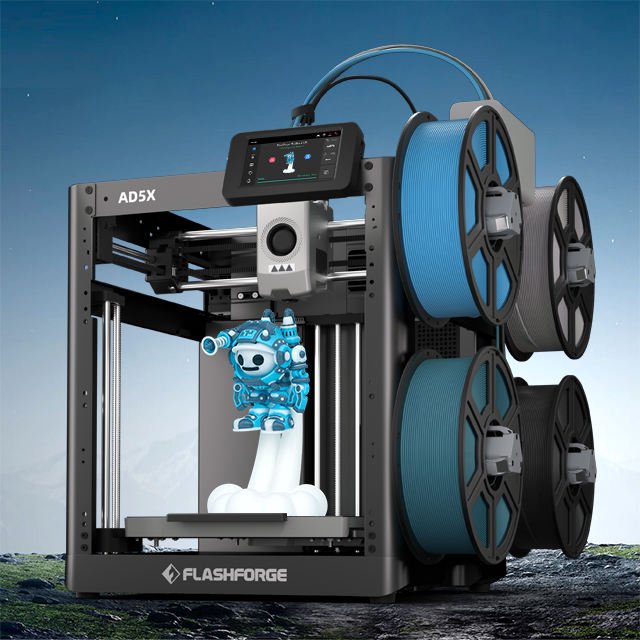
7. 3D-Printed Educational Toys: Fun Learning Tools
Hey, fellow innovator! If you’ve ever watched a kid’s eyes light up while piecing together a puzzle or building a mini robot, you know the magic of educational toys. Now, imagine turning that spark into your own business with the power of 3D printing. Starting a 3D-printed educational toys business isn’t just about making cute gadgets—it’s a gateway to blending tech, learning, and entrepreneurship in a market that’s exploding. But why should you jump in, and how do you navigate the bumps to avoid turning your dream into a costly flop? In this blog, I’ll walk you through the whys, the hows, and the watchouts for launching your 3D-printed educational toys venture. Whether you’re a parent with a printer at home or a tech enthusiast eyeing side hustle, let’s dive in and make learning fun—and profitable!
Why Launch a 3D-Printed Educational Toys Business? The Smart Reasons Behind the Fun
The toy industry is massive, but generic plastic junk is out. Parents today want toys that teach STEM skills, boost creativity, and are safe for the planet. That’s where 3D-printed educational toys shine—like customizable science kits, anatomy models, or interactive geography puzzles. In 2026, with remote learning still huge and eco-awareness on the rise, this niche is primed for growth.
- Rising Demand for Edutainment: The global educational toys market is forecasted to surpass $100 billion by 2030, driven by parents prioritizing brain-boosting play. 3D printing lets you create personalized items, like name-engraved math manipulatives or adaptive toys for special needs kids, setting you apart from mass-produced stuff.
- Affordable Tech and Low Overhead: Gone are the days of needing a factory. A quality 3D printer costs $200–$1,000 to start, with filaments (your “ink”) at pennies per toy. Work from home, print on demand, and skip inventory headaches. It’s perfect for bootstrappers in emerging markets like Bangladesh, where tech access is growing fast.
- Sky-High Margins and Customization Perks: Design a solar system model that costs $5 in materials? Sell it for $20–$50 online. Add personalization (colors, themes) for premium pricing. Profits can hit 300–500% once you’re rolling, especially with trends like AR-integrated toys.
- Sustainability Wins Hearts (and Wallets): Use biodegradable PLA filaments to market your 3D-printed toys as eco-friendly alternatives. Eco-conscious families love it, and you can tie into global pushes for green education, opening doors to schools or corporate gifting.
- Creative Freedom and Scalability: Love tinkering? Design toys inspired by local culture—like Bengali folktale figures with educational twists. Start solo, then license designs or partner with educators. Online platforms make global reach easy, turning a hobby into a full-time gig.
Why This Machine? Create puzzles, models, or kits for schools and parents.
Startup Basics: $2K–$3K setup. Toys cost $5 to make, sell for $10–$15 (50–60% margins).
Production Tips: Focus on interactive designs—subscription kits for repeat buys.
Marketing Magic: Videos showing kids learning via toys. Partner with educators.
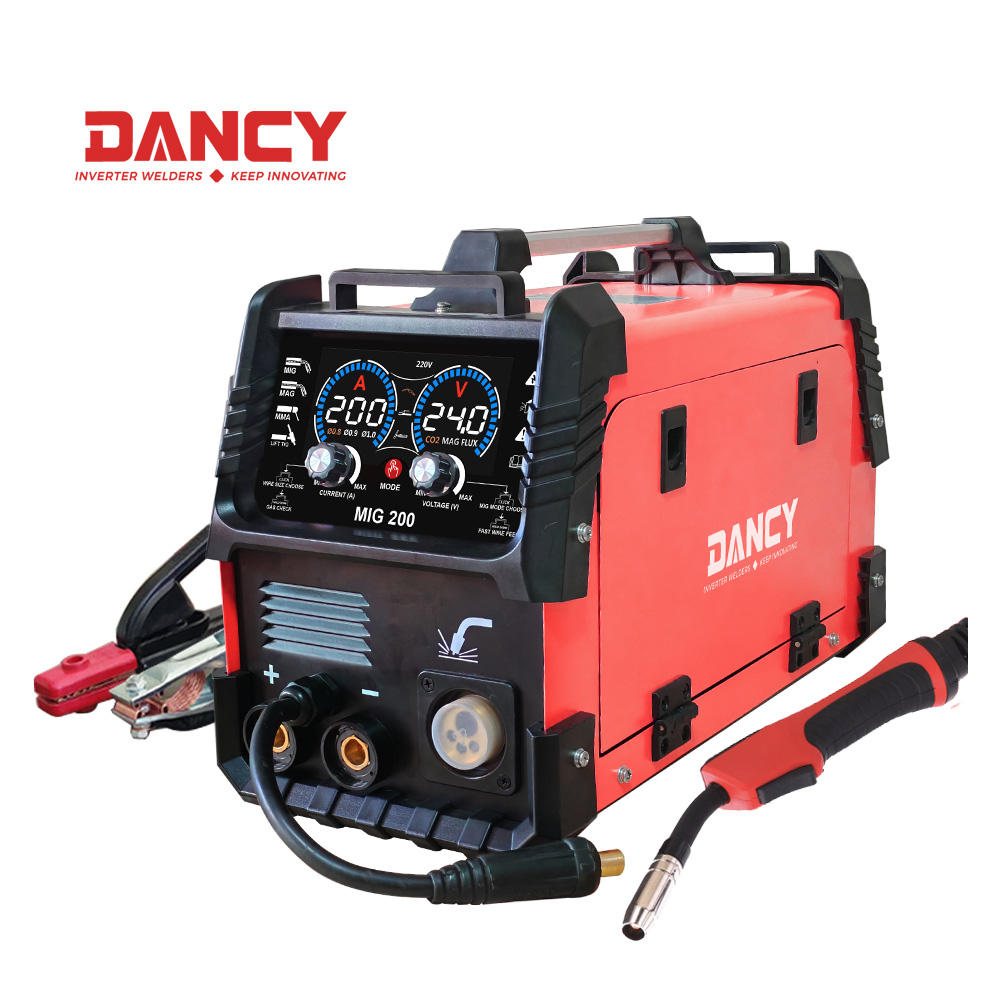
8. Custom Welding for Home Décor: Metal Art That Sells
Hey, crafty entrepreneur! If you’ve got a knack for metalwork and a eye for stylish living spaces, picture this: Turning raw steel into bespoke wall art, funky furniture, or industrial-chic shelves that homeowners can’t resist. Starting a custom welding for home décor business is more than a side gig—it’s a hot trend blending artistry with functionality in a world obsessed with personalized interiors. But why weld your way into this niche, and how do you keep from getting burned financially? In this blog, I’ll lay it all out: The compelling reasons to dive in, a practical startup guide, and essential tips to sidestep losses. Perfect for hobbyists in places like Bangladesh, where urban homes are craving unique touches amid booming real estate. Let’s spark some ideas and get you welding toward success!
Why Jump into a Custom Welding for Home Décor Business? The Sizzling Benefits
Let’s be honest starting any business feels daunting, but custom welding for home décor stands out for its mix of creativity and market smarts. In 2026, with remote work turning homes into multifunctional hubs, people are splurging on decor that screams “me.” Industrial styles, like reclaimed metal pieces, are all the rage on Pinterest and Instagram, making this a prime opportunity.
- Exploding Demand for Personalization: The global home décor market is set to top $800 billion by 2028, with custom pieces leading the pack. Think one-of-a-kind coffee tables or geometric light fixtures—clients love items tailored to their space, from minimalist modern to rustic vibes. In warmer climates like South Asia, durable metal décor withstands humidity better than wood, giving you an edge.
- Low Startup Hurdles and Costs: No need for a massive shop right away. A basic welding setup (MIG welder, grinder, safety gear) runs $500–$2,000, plus metals from local suppliers. If you’re already handy, repurpose a garage. It’s accessible for beginners with online tutorials, and you can start part-time without quitting your day job.
- Juicy Profit Potential: Materials like steel sheets are cheap (under $10 per project), but custom pieces sell for $50–$500+. A welded headboard? Easy 400% markup. Factor in trends like sustainable upcycled metal, and you’re appealing to eco-buyers willing to pay premium.
- Creative Outlet with Flexibility: This isn’t factory drudgery—design pieces inspired by local culture, like intricate Bengali motifs in metal frames. Work on your schedule, scale via online sales, or collaborate with interior designers for steady gigs.
- Community and Growth Perks: Build a loyal following by solving real needs, like space-saving welded storage for small apartments. It’s rewarding, and with social media, you can go global while supporting local economies.
Why This Machine? Weld sculptures, frames, or racks for designers and hotels.
Startup Basics: $10K–$12K for tools. 45–50% margins on custom work.
Production Tips: Emphasize handmade feel.
Marketing Magic: Instagram transformations from steel to art. Run workshops for extra income.
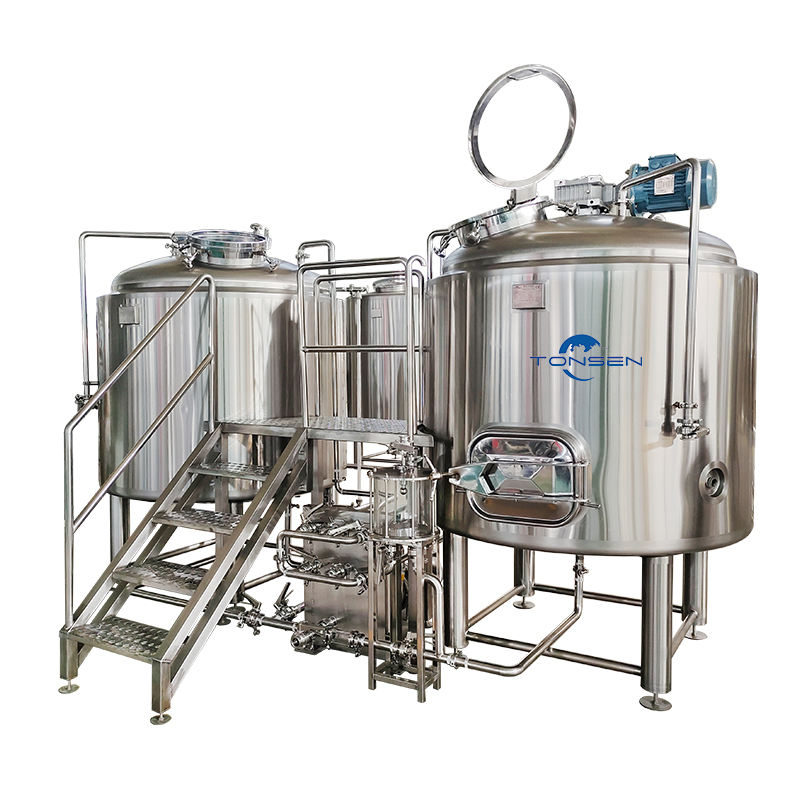
9. Microbrewery for Craft Beverages: Flavorful Niche Drinks
Hey there, beer enthusiast turned entrepreneur! If the thought of crafting unique, small-batch brews—think hoppy IPAs with local twists or smooth lagers infused with regional spices—gets your heart racing, you’re not alone. Starting a custom microbrewery for craft beverages is riding a wave of growing demand for artisanal, flavorful drinks that stand out from mass-produced options. In 2026, with craft beer enthusiasts craving innovation and experiences, this could be your perfect venture. But why choose this path, and how do you avoid the common pitfalls that turn frothy dreams into financial flat beer? In this blog, I’ll break it down engagingly: the real reasons to start, a practical launch guide, and must-know concerns to keep losses from bubbling over. Whether you’re in a bustling city in Bangladesh or anywhere with a thirst for quality brews, let’s tap into the potential!
Why Launch a Custom Microbrewery for Craft Beverages? The Brewing Appeal in 2026
Craft beer isn’t just a drink—it’s a lifestyle, a story in every sip. Custom microbreweries focus on small-scale, personalized production, often with taprooms for direct sales, limited editions, and community vibes. Here’s why diving in makes sense right now:
- Booming Market and Consumer Shift: The global craft beer scene is expanding fast, with projections showing steady growth through 2030 as people seek premium, unique flavors over generic lagers. In regions like South Asia, rising urban lifestyles, disposable incomes, and interest in experiential dining are fueling demand for local craft options—think fruit-infused ales or low-ABV session beers tailored to local tastes.
- High Profit Potential with Direct Sales: Gross margins can hit 60-70% (or higher in taprooms), thanks to low raw material costs (malt, hops, yeast) and premium pricing for “handcrafted” appeal. Sell pints on-site, cans to-go, or even collaborate on custom batches—skip middlemen for bigger cuts.
- Creative Freedom and Community Building: This isn’t factory brewing; it’s artistry. Experiment with local ingredients (like tropical fruits or spices) for signature brews that build loyal fans. Taprooms become social hubs—host events, trivia, or tastings to create buzz and repeat business.
- Lower Barriers Than You Think (for Smart Starters): Nano or small micro setups can start smaller than full-scale breweries, with passion turning into profit. If you’re a homebrewer scaling up, the transition feels natural, and sustainability trends (eco-friendly packaging, local sourcing) add modern appeal.
- Resilience in Changing Times: Craft appeals to health-conscious folks too—low/no-alc variants or lighter lagers are hot. It’s rewarding: You’re not just selling beer; you’re crafting experiences and supporting local vibes.
Why This Machine? Brew beer, kombucha, or soda with unique twists.
Startup Basics: $40K–$60K setup. Daily profits $300–$400.
Production Tips: Use local ingredients for stories.
Marketing Magic: Tastings and branding build loyalty.
10. Small Electronics Assembly: Tech Gadgets on Demand
Hey, tech-savvy dreamer! If you’ve ever tinkered with gadgets in your garage, fixing phones or building simple circuits, imagine turning that hobby into a thriving operation. Starting a small electronics assembly business—think putting together custom chargers, LED lights, or IoT devices—could be your spark in a world gone digital. With everything from smart homes to renewable energy gadgets booming, this niche is buzzing with opportunity. But why pick this over other ventures, and how do you keep from short-circuiting your finances? In this blog, I’ll break it down: The compelling reasons to launch, a hands-on guide to get started, and key concerns to dodge losses. Tailored for folks in emerging markets like Bangladesh, where tech adoption is skyrocketing amid urban growth, let’s plug in and power on!
Why Dive into a Small Electronics Assembly Business? The Charged-Up Reasons
Let’s cut through the static: In 2026, electronics aren’t just gadgets—they’re essentials. From solar-powered fans in rural areas to custom USB hubs for remote workers, demand is surging. Starting a small electronics assembly business tap into this without needing a massive factory, making it ideal for bootstrappers.
- Explosive Market Growth: The global electronics assembly sector is projected to grow at 8-10% annually, driven by IoT, wearables, and green tech. In places like Bangladesh, with rising smartphone penetration and e-commerce, local assembly fills gaps for affordable, customized products—think assembling budget earbuds or drone parts that big brands overlook.
- Low Startup Barriers and Costs: No PhD required! Basic tools like soldering irons, multimeters, and assembly benches start at $500–$2,000. Source components from affordable suppliers in China or local markets. If you’re handy, begin from home and avoid rent—perfect for part-timers transitioning from jobs.
- High Margins with Customization Perks: Buy parts cheap (e.g., $1 for a circuit board), assemble a smart plug for $5–$10 in costs, and sell for $20–$50. Markups hit 300%+ on bespoke items like personalized LED signs or repair kits. Trends like sustainable electronics (using recycled parts) let you charge premium.
- Flexibility and Innovation Edge: This business lets you pivot fast—assemble solar chargers during energy crises or fitness trackers for health booms. It’s creative: Design local solutions, like anti-theft devices for bikes, and build a brand around “made for you.
- “Job Creation and Community Impact: Start small, hire locals for assembly, and contribute to tech skills in your area. It’s fulfilling—you’re not just assembling; you’re empowering communities in a digital age.
Why This Machine? Assemble chargers, LEDs, or IoT devices.
Startup Basics: $25K–$30K. 25–30% margins.
Production Tips: Quality certs build trust.
Marketing Magic: Supply retailers, expand to Amazon.
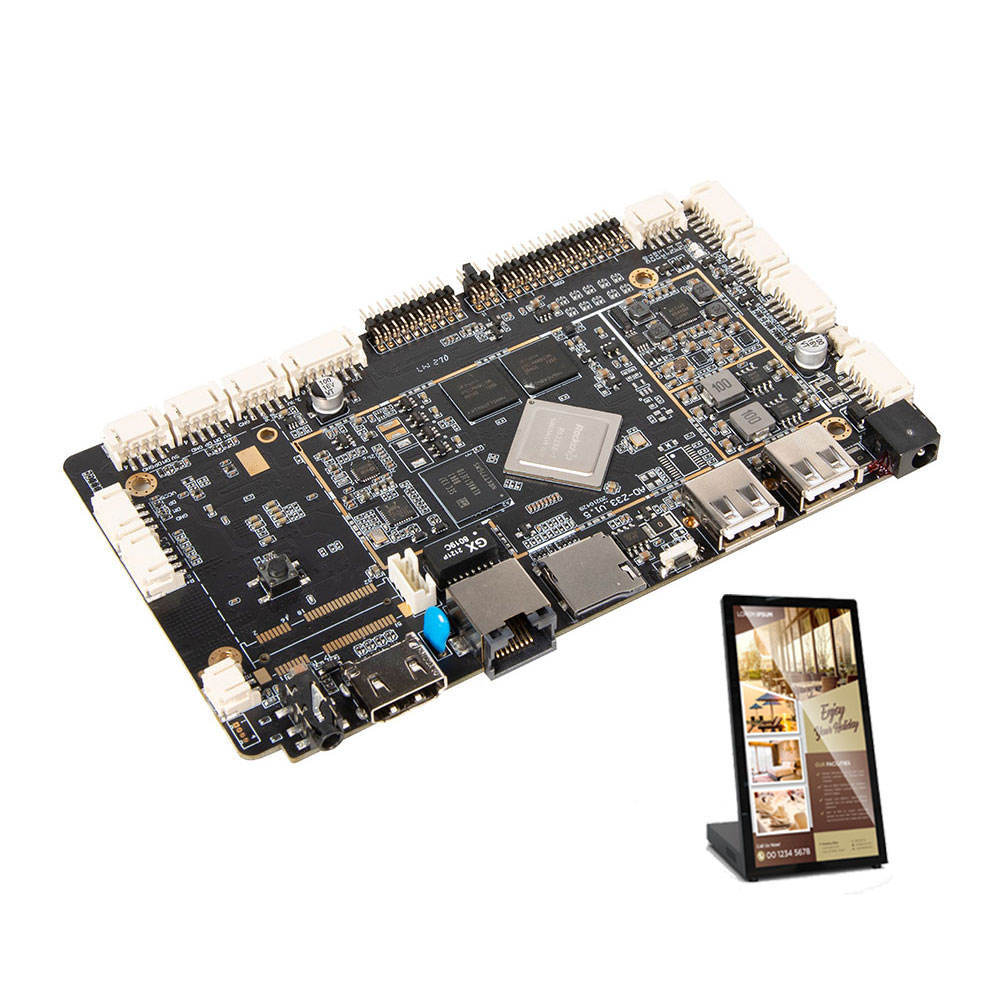
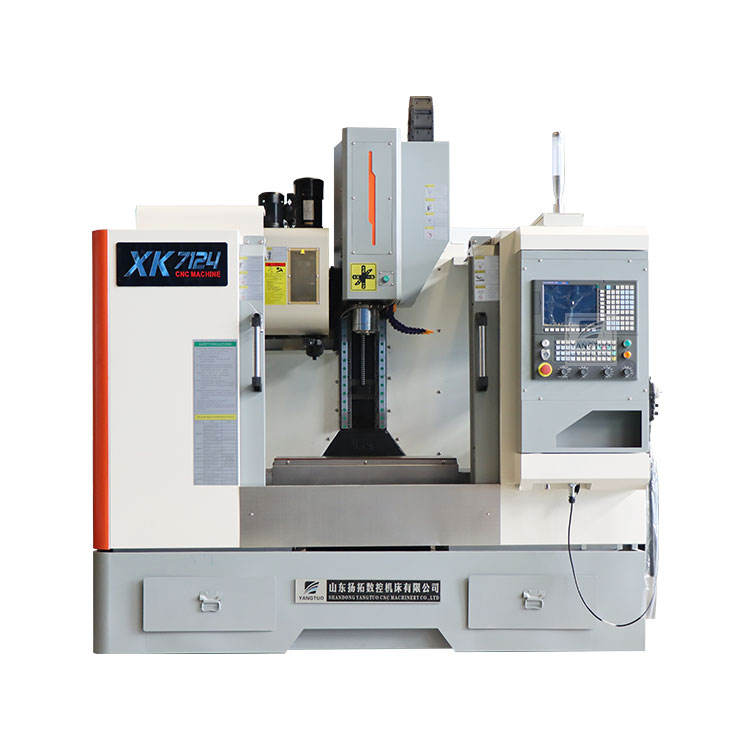
Compact CNC Milling Machines
Compact CNC milling machines offer precision and versatility for small-scale production. They handle metal, plastic, and wood with ease, making them ideal for custom parts. If you want quality output without a large footprint, these machines deliver.
Think about a local workshop that switched to a compact CNC mill. They cut production time in half and doubled their orders within months. Would your business benefit from such efficiency?
Mini injection molding machines are perfect for producing small plastic components quickly. They consume less energy and require less space than full-sized models. This makes them a cost-effective choice for startups or expanding businesses.
One entrepreneur I know used a mini injection molder to create custom phone cases. The low investment paid off fast, as demand surged and profits followed. Could you tap into a niche market with such a machine?
Choosing The Right Machine
Choosing the right mini factory machine is key to your business success. The machine you pick affects your costs, quality, and output. It must fit your specific needs and budget. Careful selection helps avoid waste and boosts profits.
Consider what tasks the machine will perform. Think about the space you have and the skill level of your workers. The right machine should be easy to use and maintain. It should also grow with your business needs.
Assessing Business Needs
Start by listing your main production goals. What products will you make? How many units per day or week? Identify the features your machine must have. Consider size, speed, and versatility. Machines that match your needs reduce downtime and improve efficiency.
Budget And ROI
Set a clear budget before choosing a machine. Include purchase price, installation, and maintenance costs. Think about how much profit the machine will generate. Calculate how long it takes to earn back your investment. A good machine balances cost and return well.
Key Concerns and Tips to Avoid Losses in Your Small Factory
Starting sounds exciting, but pitfalls lurk. Here’s how to play it safe:
- Research Deeply: Validate demand locally—survey cafés for plates or gyms for wafers. Avoid overstocking.
- Quality First: Cheap materials flop—use certified ones. Test batches to prevent waste.
- Regulations Matter: Get licenses (food safety for snacks, eco-certs for green products). In Bangladesh, comply with BSTI standards.
- Marketing Musts: Don’t skimp—social media visuals drive 80% of sales. Budget 10–20% for ads.
- Financial Smarts: Track costs religiously. Start lean; reinvest profits. Emergency fund covers machine fixes.
- Scale Slowly: Begin home-based, expand with demand. Partnerships cut risks.
Frequently Asked Questions
What Are The Best Mini Factory Machines For Startups?
The best mini factory machines for startups combine affordability, efficiency, and scalability. Look for versatile machines that support multiple product lines and require low maintenance.
How Do Mini Factory Machines Increase Business Profits?
Mini factory machines reduce labor costs and increase production speed. They allow small businesses to produce high-quality goods efficiently, boosting overall profit margins.
Which Industries Benefit Most From Mini Factory Machines?
Industries like food processing, packaging, textile, and electronics gain significant advantages. Mini factory machines offer customization and compact solutions suitable for these sectors.
What Factors To Consider When Buying Mini Factory Machines?
Consider machine capacity, energy consumption, automation level, and maintenance needs. Also, evaluate the machine’s compatibility with your product type and future expansion plans.
Conclusion
Choosing the right mini factory machines can boost profits in 2026. Each machine offers unique benefits for small businesses. Focus on quality, efficiency, and cost when selecting equipment. Small investments can lead to steady growth over time. Start with machines that fit your budget and needs.
Careful planning ensures smoother operations and better returns. Keep learning about new tools to stay competitive. Success comes from smart choices and consistent effort. Make your mini factory work hard for you. The right machines will help your business thrive.